
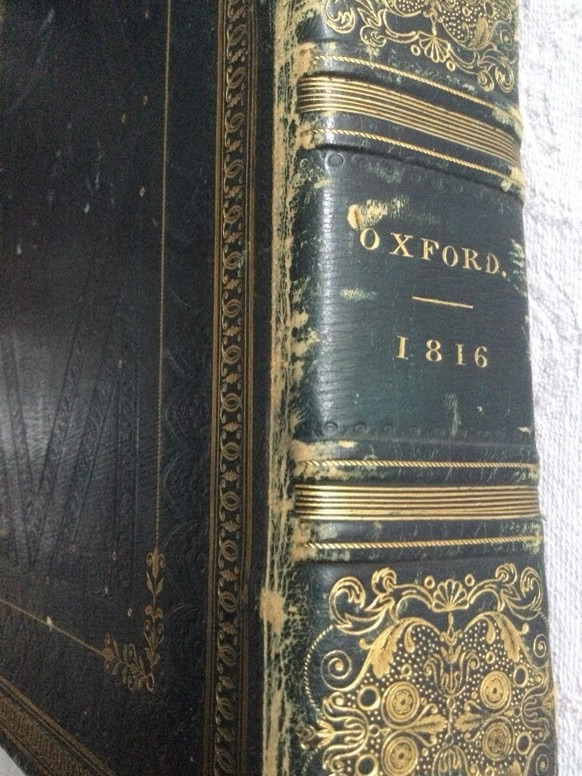
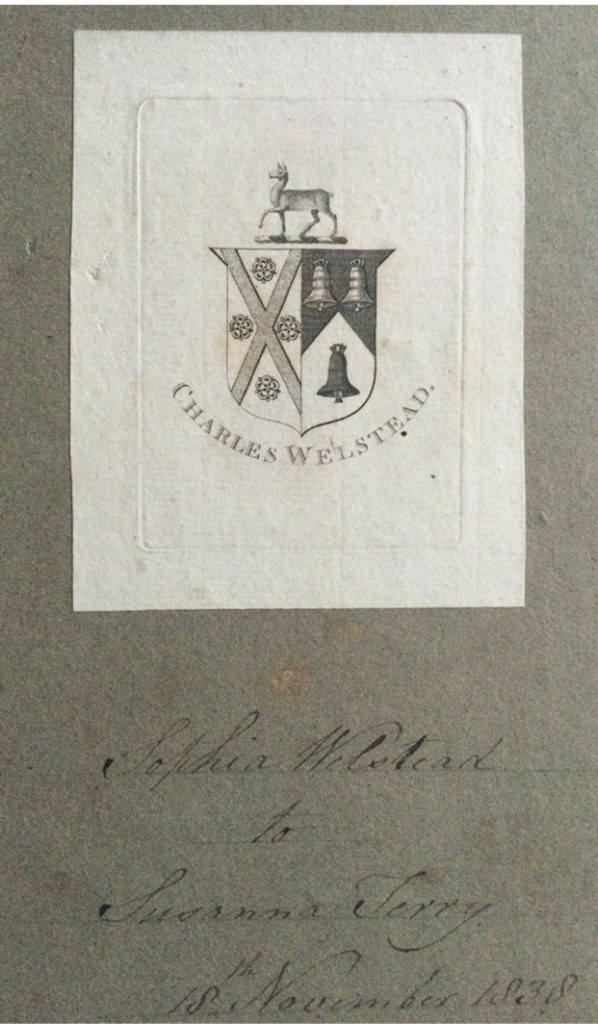
The Prayer Book that belonged to Charles and Sophia Welstead can be viewed at a special event THE WOMEN OF VALENTINES at Valentines Mansion on Sunday 22nd March 2026. The Prayer Book is in need of some restoration, as the front cloth-bound board cover has become detached from the spine. But there are so many stories and so much history bound up in one volume!
Here is part 1 of the story of Susanna Terry, discovered by the arrival in the post in 2021 of this precious book dating back to 1816.

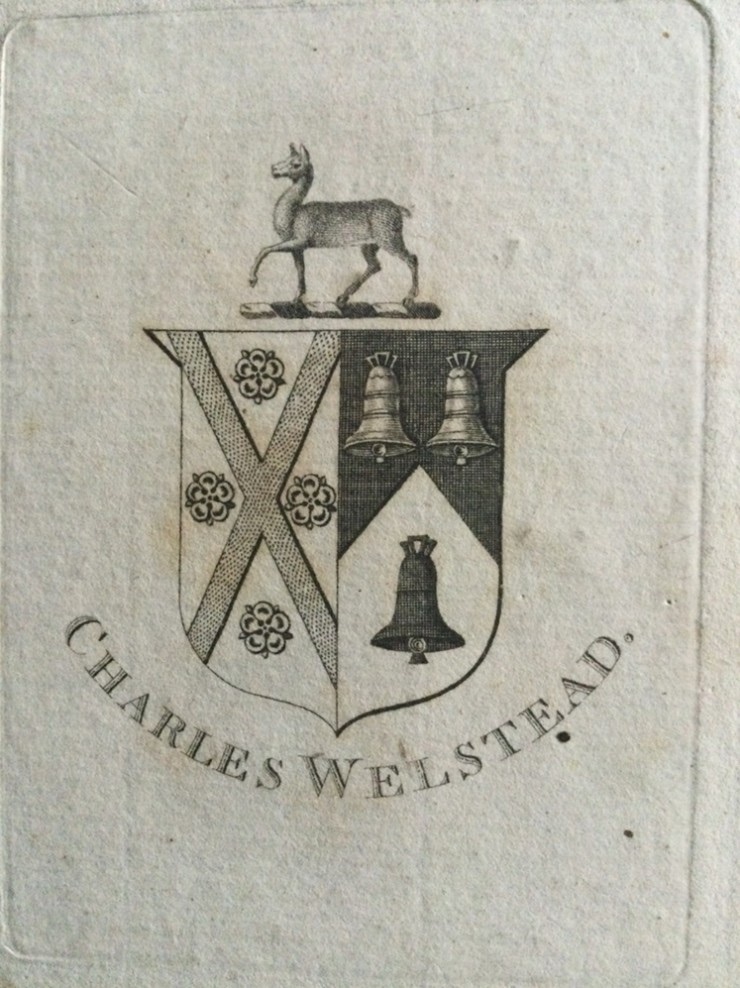

Charles Welstead and his wife Sophia (nee Porter) were owners of Valentine House in Ilford, now known as Valentines Mansion, from 1808 until 1832. This research is to understand why a prayer book that had belonged to Charles Welstead, was gifted in 1838 to someone called Susanna Terry. No-one until now connected with researching the history of the families who lived at Valentines, knew anything of this name.
Who was Susanna? Why was Charles Welstead’s prayer book presented to Susanna? And who gave it to her?
Charles Welstead had died in 1832.
On 12 Mar 2024, a gentleman called Henry Underhill wrote to the Friends: “I spent a happy morning recently reading about the history of Valentines and its owners through the ages, followed by a virtual tour of all the beautifully restored rooms. With restoration it can be difficult to decide to what period in the history of a building to restore, but here its Regency heyday was clear.” Henry is a descendant of Susanna’s brother David.
Susanna’s Story From The Beginning
In 2021, this prayer book, printed in Oxford, was donated to the Friends of Valentines Mansion by a retired colonel with connections to a local museum in Worcestershire. After some detective work using information documented on the Friends’ website, the Ancestry family history website and others, notably Linda Eccles who shares a family tree with Susanna, we have pieced together the story.
It was Sophia Welstead who gave the book to Susanna Terry, a close friend and protegee of hers, and the tale that follows will make clear why Sophia gave her such a prized possession.
The 1662 Book of Common Prayer (1816 Edition)
This book dating back to 1662, the authorised liturgical book of the Church of England, has been in continuous print and regular use since then.
Noted for both its devotional and literary quality, the 1662 prayer book has influenced the English language, with its use alongside the King James Version of the Bible, contributing to an increase in literacy from the 16th to the 20th century.
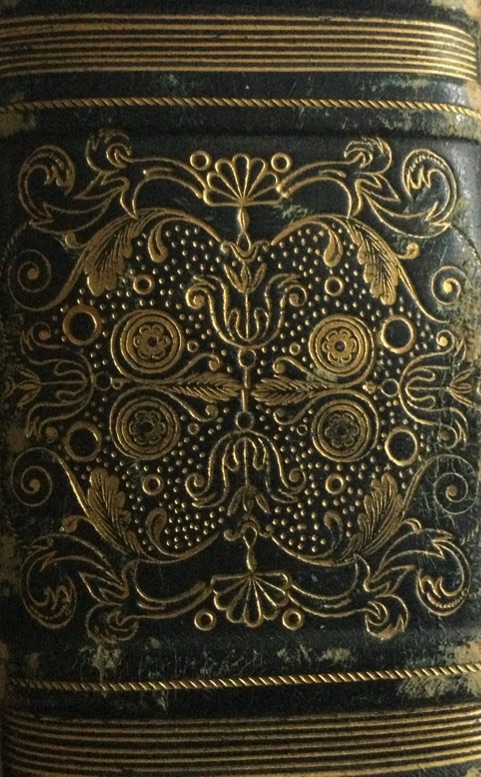
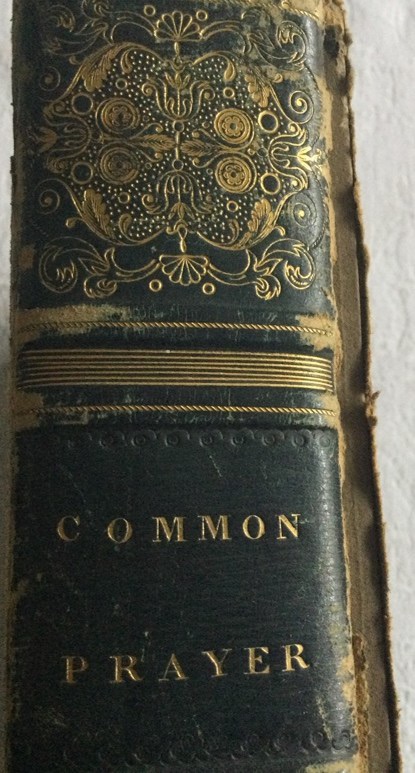
Within Christian liturgy, the 1662 prayer book has had a profound impact on spirituality and ritual and its contents have inspired or been adapted by many Christian movements.
However its dated language and lack of specific offices for modern life, mean that the 1662 prayer book has now largely been supplanted for public liturgies within the Church of England.
Nevertheless, it remains a foundational liturgical text of that church and much of Anglicanism.
Susanna And Sophia In Mayfair
Sophia Welstead moved from Valentines after Charles Welstead died in 1832, to live in the fashionable Grosvenor Square area of London. Sophia lived in Park Street, Mayfair until she died in 1847. At some point after 1832, family friend Susanna Terry moved in with her, because Susanna unexpectedly needed to move out of her marital home. Without Sophia’s help, Susanna’s life might have been very different.
The Coopers, Wealthy London Merchants
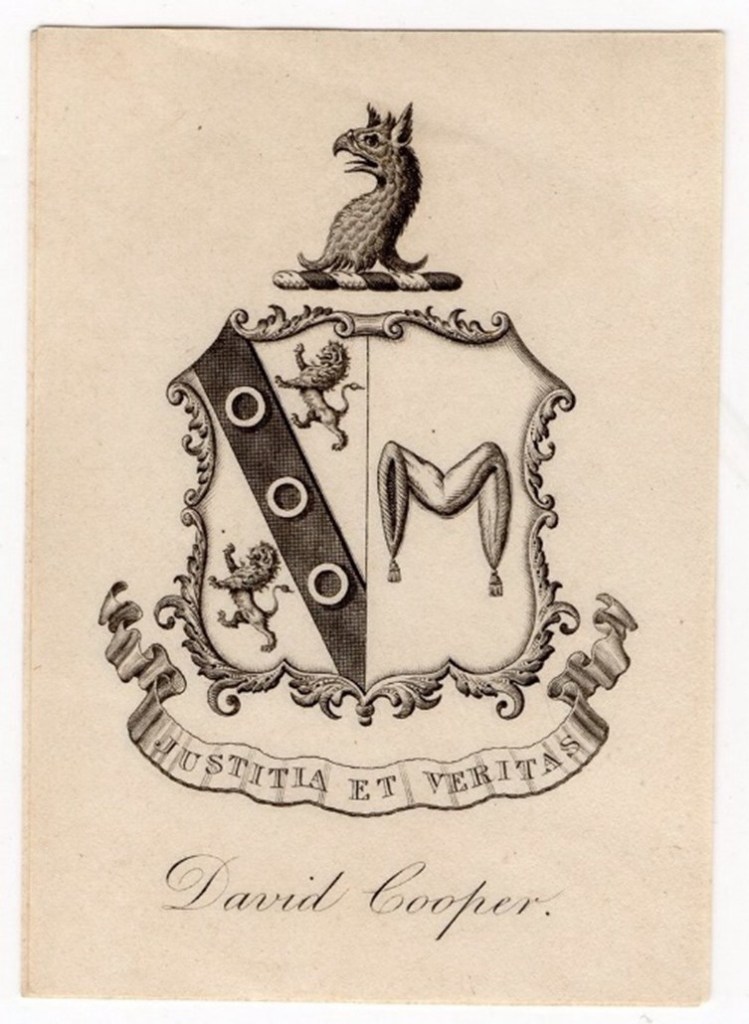
Susanna Terry was born Susanna Cooper in December 1794 in the Strand, Middlesex, daughter of Harriet and Philip Cooper. Susanna’s father and other family members were established and wealthy silk mercers to the King George III and Queen Charlotte, wearing the kind of dress for which they supplied the silk fabric.
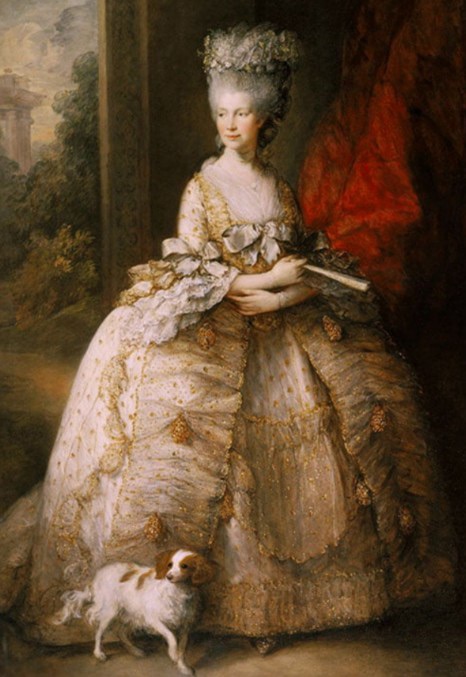
From The Times 1797
TO the LADIES. — DAVID and PHILIP COOPER, Silk Mercers to his Majesty, having removed from Holywell-street, to No. 28, Pall-Mall, respectfully inform the Nobility and Public, they have manufactured a variety of new Silks for the season, Sattin Lustres, Brilliants, Fancy and Stripe Sattins, Cypresses, Velvets, etc. etc. from patterns and designs of their own, and not to be had at any other House. They beg leave to further observe, every article in Silk, particularly their double black Cypresses, Armozeens, Resdemores, Bombazeens, etc. etc. are of the very first quality. A new-invented Silk of mourning, particularly soft and beautiful. D. COOPER begs leave to return his grateful thanks to his Friends for their kind consideration, is happy to acquaint them he has so far recovered his dreadful accident as to be able to give his personal attendance to business.
Narrow Escape In 1795
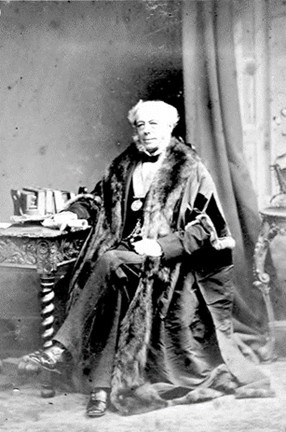
When Susanna was a baby, details of a “dreadful accident” on Hampstead Heath in Summer 1795, befalling her uncle and her father, were reported in the newspapers. In a portrait by Charles Bestland of her uncle David on horseback in the garden of his grand house in Hammersmith, he sits rather awkwardly, having lost his right leg in this carriage accident. There were later to be other family members reported in the newspapers…
Another Narrow Escape, this time for Susanna
Susanna Cooper was not the daughter of her father’s first wife Susanna, but the daughter of Susanna’s sister, Harriet, Philip’s second wife. She was 12 when the Welsteads moved to Valentines and we can imagine she visited here as the Coopers and Welsteads were close friends.
Living in the grandeur of Waterloo Place, Pall Mall, Susanna aged 26 had married Charles Terry, a noted quillmaker, penmaker and ink merchant, on 4 September 1821 in St James, Westminster.
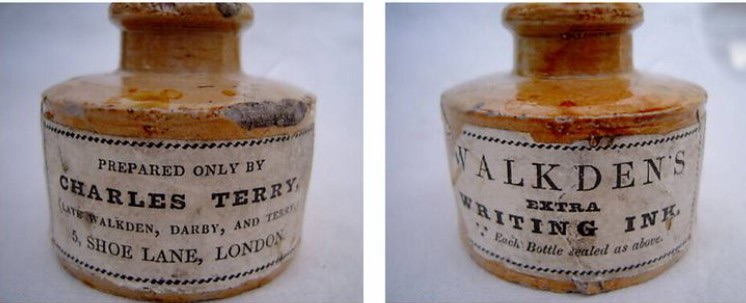
However, in 1830s, her husband Charles Terry became involved in a huge fraud leading to his disgrace and bankruptcy. Susanna had to move out of their home and business premises in Shoe Lane, off Fleet Street and went to live with widowed Sophia Welstead in Park Street, Mayfair.
On 18th November 1838 the Prayer Book was gifted to Susanna Terry.
What might have been the significance of this date and of this gift?
More about Charles Terry’s business ventures will help answer this question
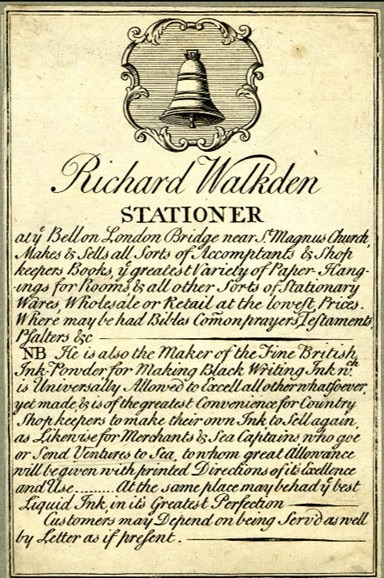
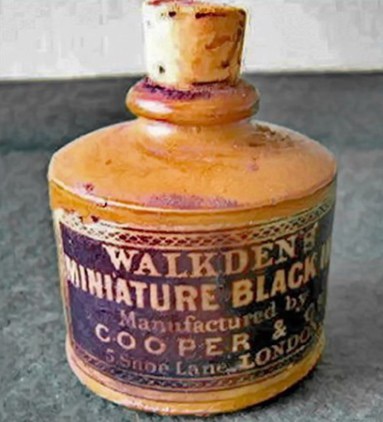
In 1828, Susanna’s husband was victim of fraud himself regarding the sole rights to sell “Walkden’s Fine British Ink Powder” that he had purchased in 1817 from his former business partner Mr Darby. This well-established business had started about 80 years earlier in a shop on the Old London Bridge. Now the rights belonged solely to Charles Terry, people had started imitating and manufacturing it and passing it off as “Walkden’s” ink.
Post Office London Directory for 1829:-“Terry, Charles, Quill-mercht. and Manuf. of Walkden’s British Ink Powder, Japan Ink, etc, 5 Shoe Lane”
By 1832, Charles Terry, sole Proprietor and Manufacturer of “Walkden’s Powders” for making Black Ink and Red Ink was still having problems with people selling poor quality imitations of his ink.
He decided to branch out into making and refining sugar, as well as refining and purifying oils.
By 1836 he had branched out again to another business selling dry rot treatments for preserving timber, canvas and cordage. That is when the rot set in, in relation to both his business and to his marriage.
From the London Gazette :-
“Anti Dry Rot Company (Kyan’s Patent for the Preservation of all Timbers, Canvas and Cordage from Dry Rot and decay). Constituted by Act of Parliament. No. 2, Lime-Street-Square, May 30, 1836. The Directors of this Company inform the public, that tanks, on an extensive scale, are now established at the following stations, in London, where every facility is accorded to ship-builders, timber-merchants, builders, carpenters, etc. for the preparation and seasoning of wood, according to the patent process;
Principal. South Dock, West India Docks.
Branch Stations. Grosvenor Basin, Pimlico. Canal Basin, No. 4 Wharf, City-road. Grand Surrey Canal Dock, Rotherhithe. The Company, for the convenience of shipping interest, have established floating tanks, which now can be sent to any ship-builder’s yard in the river Thames. Canvas, etc. for sails, rick cloths, awnings, tents, etc. etc. will be prepared, if sent to either of the above stations. The Directors will grant licenses to ship-builders, timber-merchants, etc. for tanks on their own premises. Terms of licenses, and further particulars, may be obtained of the Secretary, at No. 2, Line-street-square, Leadenhall-street.
By order of the Board,
Charles Terry, Secretary.”
This business venture proved disastrous. Susanna’s husband, Charles Terry, who was one of the executors of Charles Welstead’s will in 1832, eventually disappeared following the over-issue of shares in this new dry-rot company which led to him being declared bankrupt. He promptly absconded abroad.
The significance of November 1838
In 1838 Charles Welstead’s will was settled after a long legal wrangle with extended family members. Ownership of Valentines passed to Charles Holcombe and dispersal of belongings and assets could occur.
It was in November 1838 that Sophia Welstead gifted her husband’s Prayer Book to Susanna Terry who continued to live with her, and I think we can safely assume that the two women prayed together during some difficult times.
As to the relevance of the date, how much did Susanna and Sophia know of Susanna’s husband’s troubles? Well, by November 1838, the newspapers were full of the story…
To be continued…
In Part 2, we will discover more about the extended Cooper family to help explain the significance of such a gift and the life experiences that Sophia and Suzanna shared. We will use this knowledge to help imagine the route the Prayer Book may have taken as it was passed down through the family, at least for a while.
We will also look at the fascinating ink and printing business that had started Charles Terry’s more successful business career.
If you would like to comment on this story, please email the Friends.
Part 2: “From Valentines to Worcestershire and Back” will be published next month.
 Friends Of Valentines Mansion