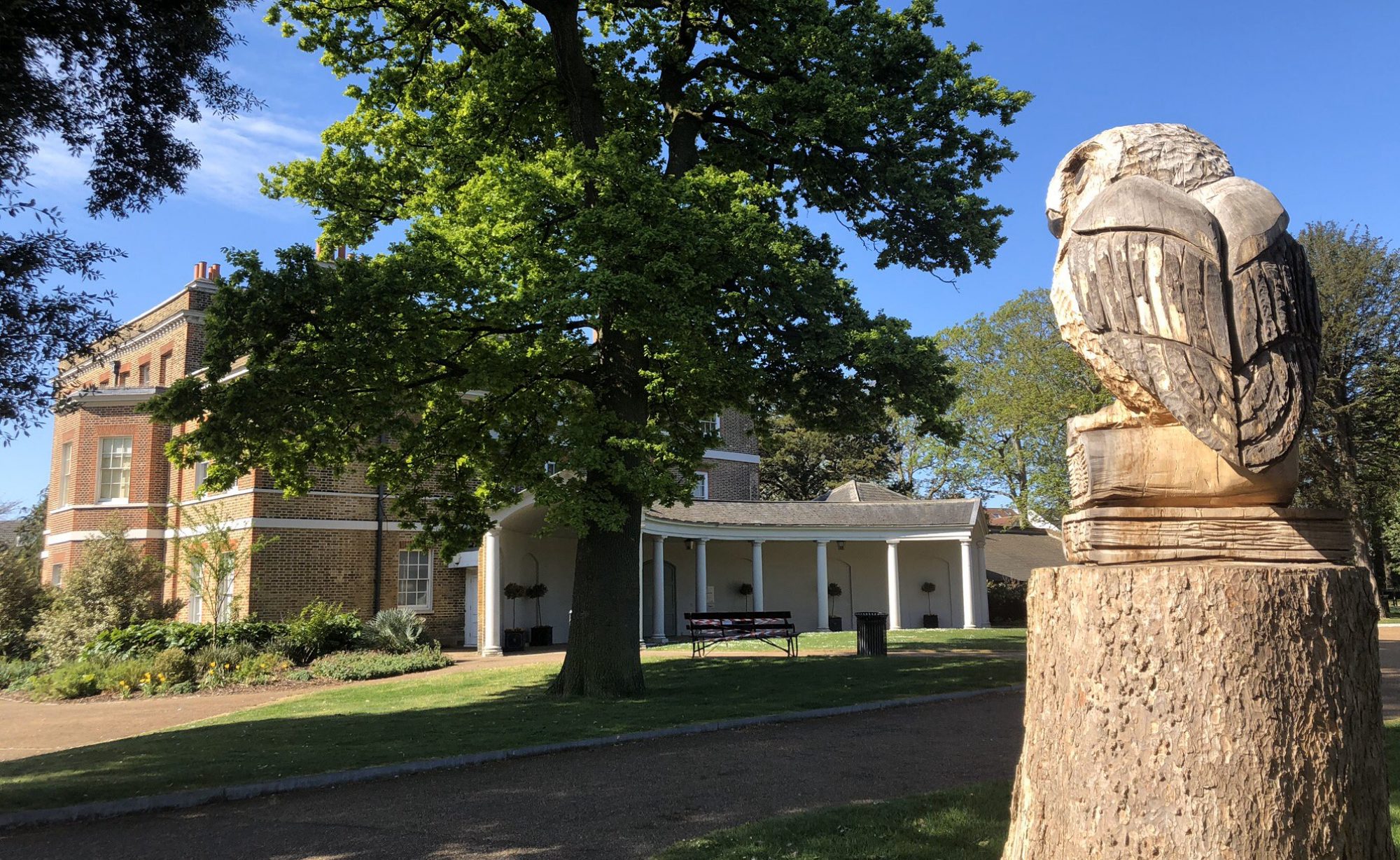

This description can help you imagine what it would be like to travel back in time and pretend you are visiting Valentines in Victorian days!
How many children lived at Valentines in Victorian days?
For the first part of the 19th century, there were no children living at Valentines.
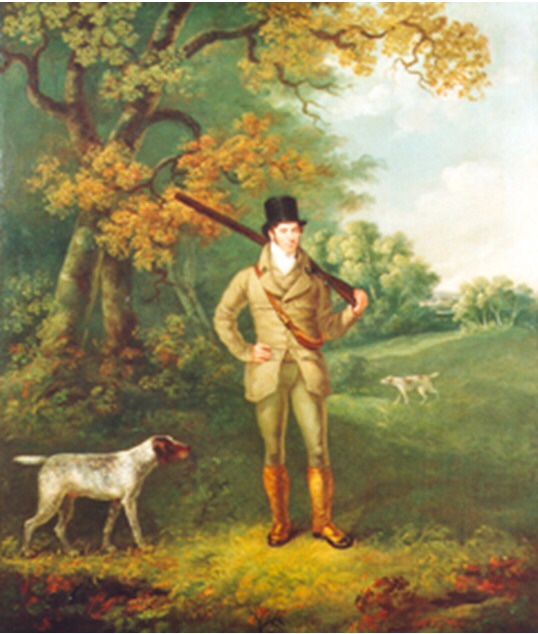
Until 1838! A new family moved in with their teenage niece. This was Charles and Margaret Holcombe and above is a picture of him when he was a young man.
But really it wasn’t until 1860 that there was a family of children living here.
By 1860 the owner, Mr Charles Holcombe lived alone at Valentines. He was now sixty-six and his wife had just died. He had no children or grandchildren, but his wife’s niece, Sarah had lived with them since she was a little girl. Now she was grown up. She had married, moved to Birmingham and had a family of her own. This was Mrs. Sarah Ingleby, her husband was Dr.Clement Ingleby and they had four children.
In 1860, their children were called Arthur aged 8, Holcombe (named after his great-uncle), Herbert (probably called Bertie) and Clementina the youngest, aged 3. They all came to live at Valentines with their great uncle Charles. He was like a grandad to them.
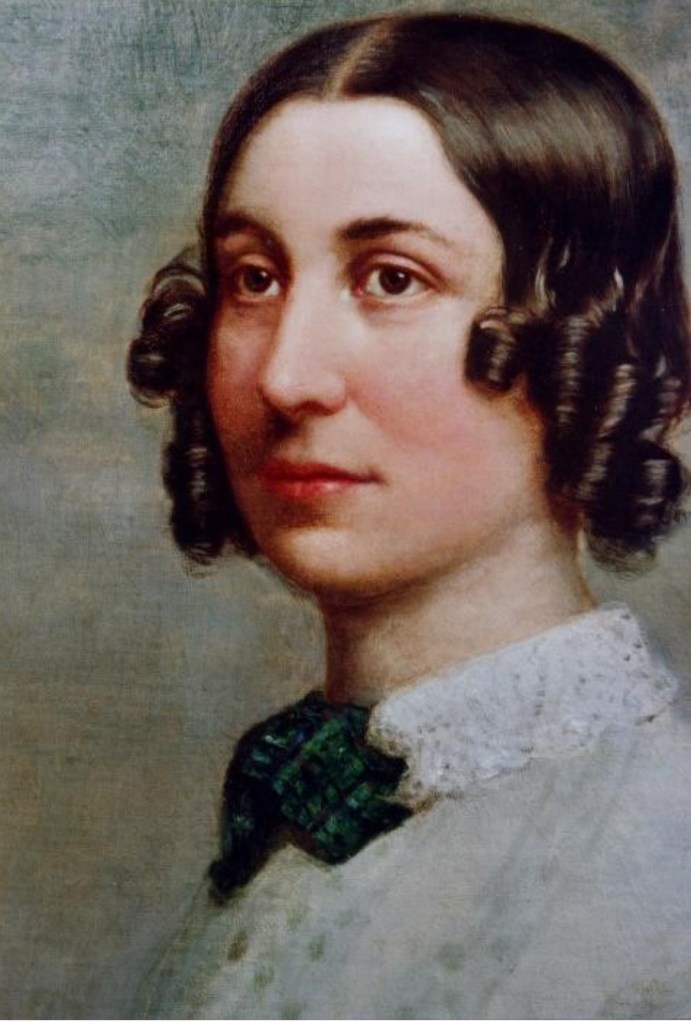
Mr Holcombe was a rich man. He had made his money from things like owning factories in Greenwich and investing in building railways. Greenwich all looks very different these days! His factories stood where The O2 is now. He liked doing experiments and inventing things.
What did the children do for fun?
They did not have computers, iPads, television or PlayStations but spent a lot of time reading and being outside. In fact there was no electricity in those days!
These pictures were drawn by Ellen Buxton, a girl of fourteen who lived in a big house at Leytonstone, not far from Ilford. She had ten brothers and sisters and as one of the eldest, she helped look after the youngest children. Most girls were taught to draw and Ellen enjoyed sketching both at home and when they went visiting family and friends.
The children often spent Sunday afternoon walking in the forest or had a picnic in the meadows. Sometimes they would be taken to see a particular place in London, and every summer they stayed at a big house near the seaside.
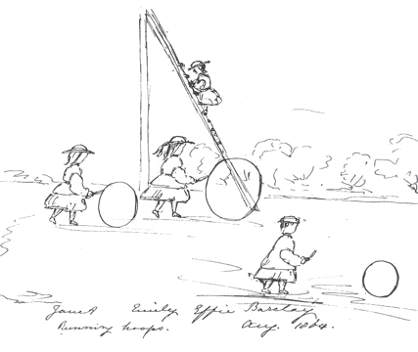
Pictures from Family Sketchbook – A Hundred Years Ago by E.Ellen Buxton , published by Geoffrey Bles in 1964
The Ingleby children’s father liked music and they often sang songs together. He also liked making up funny rhymes to amuse them!
The children probably played in the garden with balls and hoops and maybe a swing and a see-saw.
In Ellen’s drawing, the children have a “swinging pole” which they climbed up to swing around on a rope. They might also have had wooden stilts or roller skates.
Who else lived at Valentines?
To look after the family there were a lot of servants and many of them actually lived in the house. From the house, the children could not see many other houses, just trees and fields. But there were a few cottages on the Valentines estate for the people who looked after the horses and carriages and worked on their land.
Who were the servants?
The most important servants in the house in 1860s were the butler, Alexander Findley and his wife, Martha, who was the housekeeper and probably the cook. They were in charge of organising the household and told all the other servants what jobs needed doing. Martha had two daughters, Martha Maria and Valentina. As they grew up, the girls either worked here or came to visit.
The other servants were nearly all women. There was a lady’s maid to look after Mrs.Ingleby’s clothes and her private business and a nurse for the children. Two housemaids did jobs like making the beds, cleaning and serving their food, and a kitchen maid did the cooking chores.
The servants did not speak to Mr Holcombe or Dr. and Mrs.Ingleby unless they were spoken to first. The children would have eaten their meals in the servants’ hall, while the adults ate in the dining room.
There was also a young man at the time called William Southgate who was the footman. He opened the door to visitors, did heavy jobs, ran errands and did whatever the butler told him to do.
How did people travel around?
There were no cars of course and the family kept quite a lot of horses to pull their carriages, to work on their farmland and to ride.
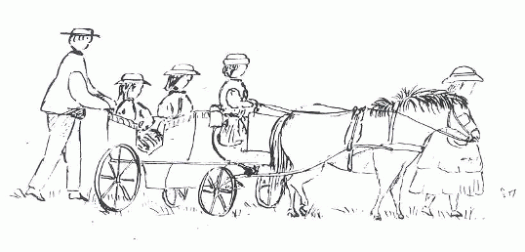
Going to church every Sunday was a regular event, at the local church of St.Mary’s in the High Road at Ilford. They walked there from Valentines as people thought nothing of walking quite a long way. The children might have been driven in a pony and trap like in this picture.
There was a proper carriage for their parents to use. If they needed to travel a longer distance, and there were now trains from Ilford station. An exciting new invention!
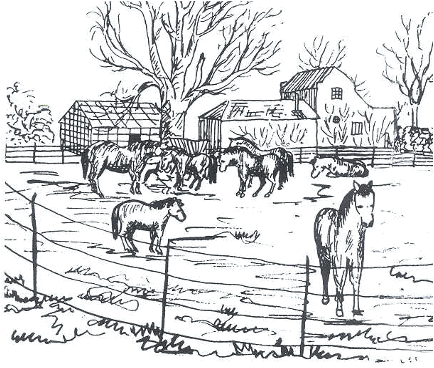
Where were the Valentines stables?
Where the car park is today, near the house, there was a farmyard with a haystack. There were also paddocks for the horses like the one shown here.
What did they grow in the kitchen garden?
There was a cottage near the house specially for the gardener and his family. Today there is a cafe inside. The walled garden was used to grow fresh vegetables and fruit for the family to eat.
How did they light and heat the house?
In the 1860s they did not have any electricity so the house was lit by gaslight, candles and oil lamps. Can you find the oil lamps on display in the Bird Room cabinets inside the house?
How easy do you think it was for the children to do their schoolwork in the evening or in the winter when it was dark?
They had coal fires in the winter and the housemaids had to get up very very early to clean the grates and light fires to warm the rooms before the family got up. Every room had a fireplace!
The servants used wood and paper to get the fire going, but first they had to sweep the ashes out from the day before after the fire had died down during the night. Every now and again they had to clean the fireplaces with blacking. It was a paste that looked like black toothpaste and was put on with a brush. Then it was rubbed so it became nice and shiny and stopped the iron going rusty. A very dirty but necessary job!
Did they have washing machines?
No! The washing was done once a week on “wash day”, probably a Monday, by a lady who came in specially to do it in a large cauldron. The mangle was used to squeeze the water out of the wet laundry before it was hung up to dry. It took several days to get everything dry and ironed.
How was the cooking done?
In 1870, a new kitchen range was installed. It had two ovens and was the latest invention for cooking and heating water. There was also a brick pastry oven to bake cakes and pastries. Wood and coal were used to heat the ovens. It was tricky and took time to get the ovens to the perfect temperature to cook whatever food was being prepared. And the pans were very heavy!
Where did they go to school?
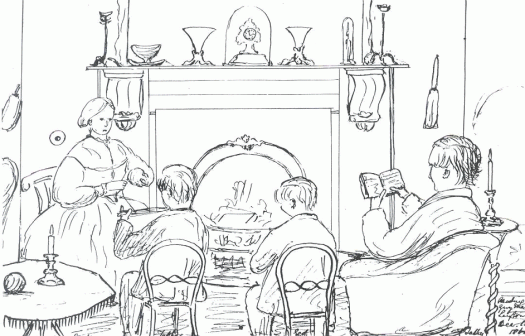
When they were young the children did not go to school. They had lessons in their own schoolroom at home.
Later the boys went to boarding school called Malvern College.
The local children who did not have so much money went to a local school provided by the church. Mrs.Ingleby was very concerned to help local people and she built a school for the children who lived in Beehive Lane. Many of the people who lived there worked for her family on the Valentines estate. Later things changed and all children could go to school.
When did their garden become a park?
The Ingleby family started to invite local people to visit them at Valentines and often allowed their gardens to be used for public events or to walk in. A large part of their garden was sold in Victorian days to create a park near the station, and other parts of the garden were later donated or sold to the council. Now of course, what was their entire garden is a public park that everyone can enjoy.
From notes by Georgina Green (2019). Edited 2026 by Diana Smith
 Friends Of Valentines Mansion