A little horticultural discovery
In April this year, I was lucky enough to travel to Australia to visit my family in Perth, WA. On my very first morning, walking my sister’s dog through the beautiful local bushland reserve (Star Swamp) just two or three minutes from her house, I was delighted that the first tree she pointed out to me was a banksia tree!
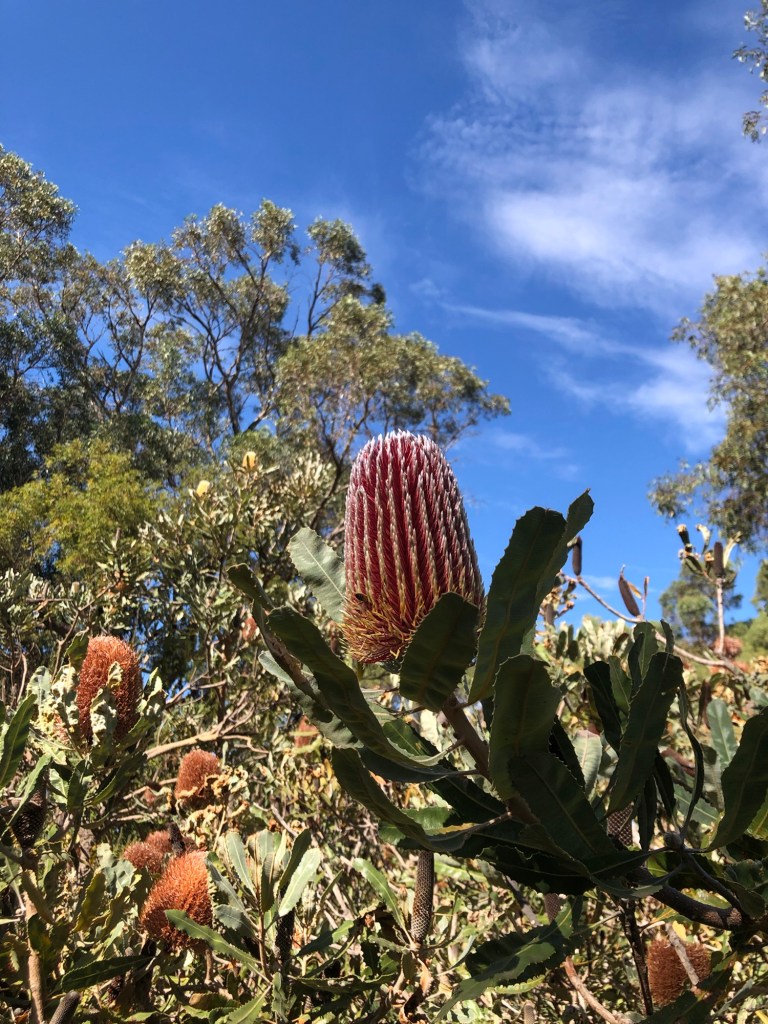
Banksia Flowers and Fruits
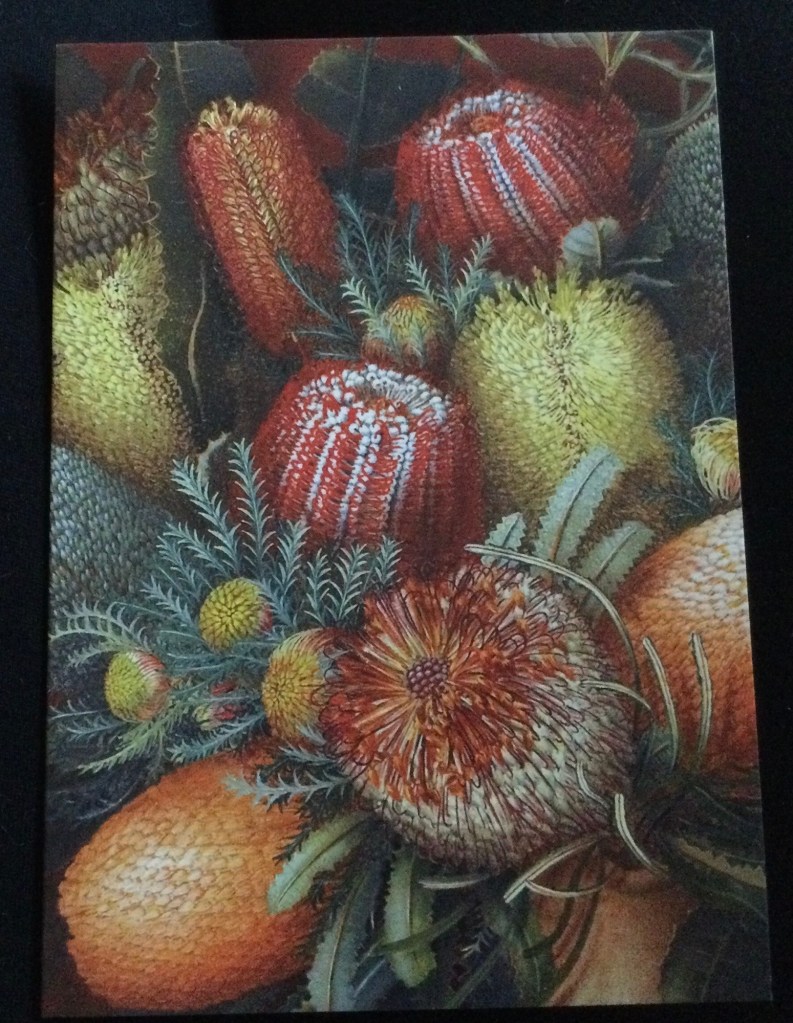
The flower heads are made up of hundreds (sometimes thousands) of tiny individual flowers grouped together in pairs, the colour ranging from yellow to red, most flowering over autumn and winter. The fruits (called follicles) are hard and woody and resemble cones. The fruits protect the seeds from foraging animals and from fire. In many species the fruits will not open until they have been burnt or completely dried out.

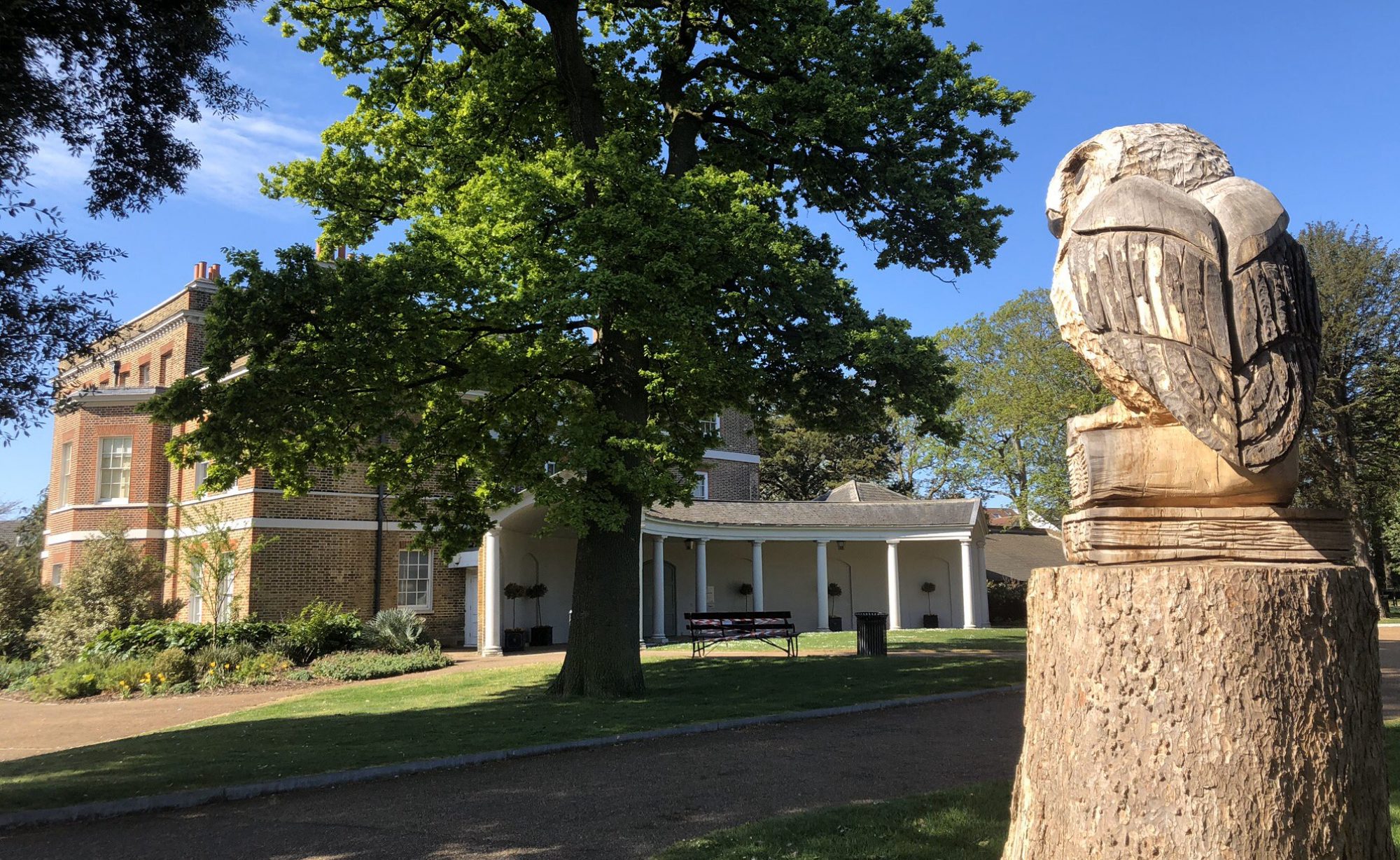
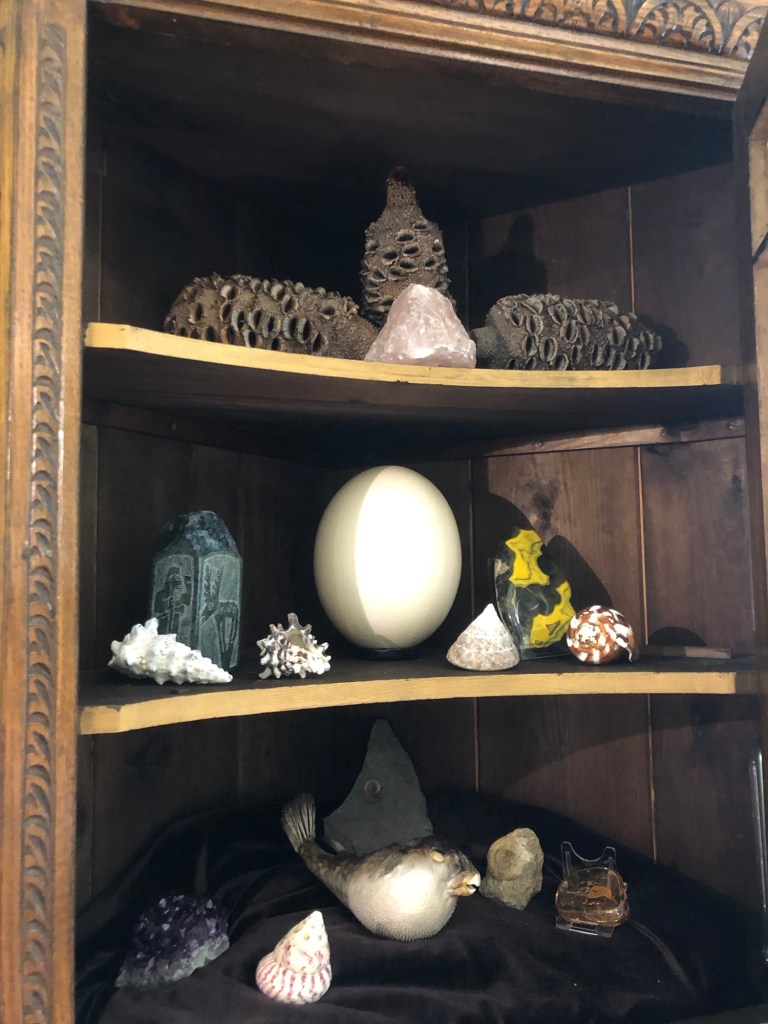
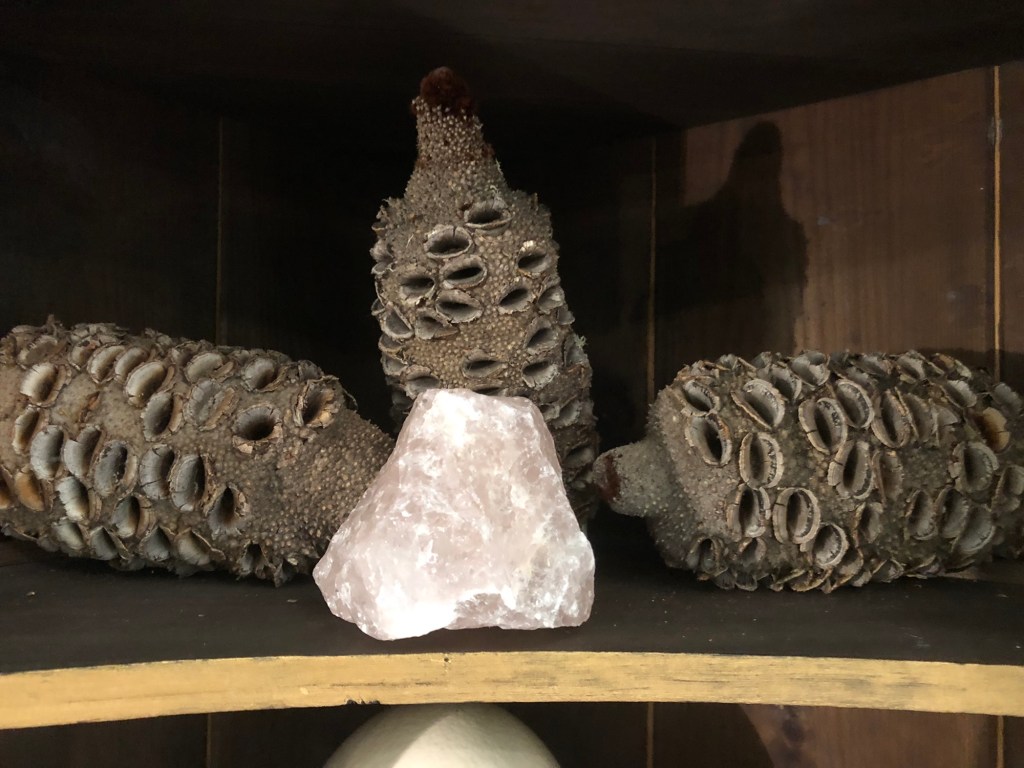
Before last year, I had never even heard of the banksia tree, but when sourcing a variety of items to display as part of a cabinet of curiosities for our latest project in the Raymond Room, the Friends’ research led us to buy a trio of handsome banksia fruits.
What is interesting about the banksia flowers?
As the flower spikes age, they dry up and may turn shades of orange, tan or dark brown colour, before fading to grey over a period of years. In some species, the old flower parts may persist for many years, giving the fruiting structure a hairy appearance. Despite the large number of flowers, only a few of them ever develop fruit. This is a woody follicle consisting of horizontal valves that tightly enclose the seeds. The follicle opens to release the seed by splitting.
In some species the follicles open as soon as the seed is mature, but in most species most follicles open only after stimulated to do so by bushfire.
Charles Raymond’s Cabinet of Curiosities
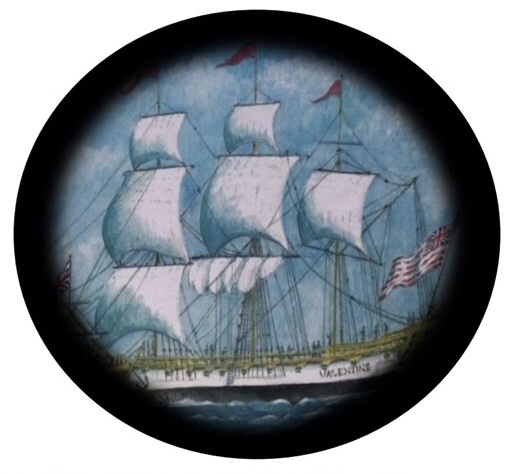
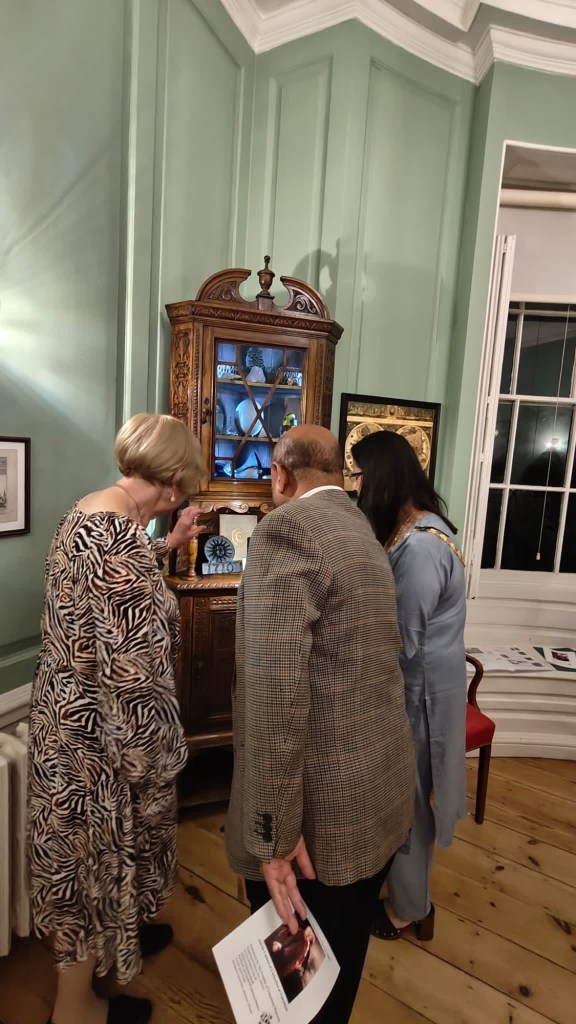
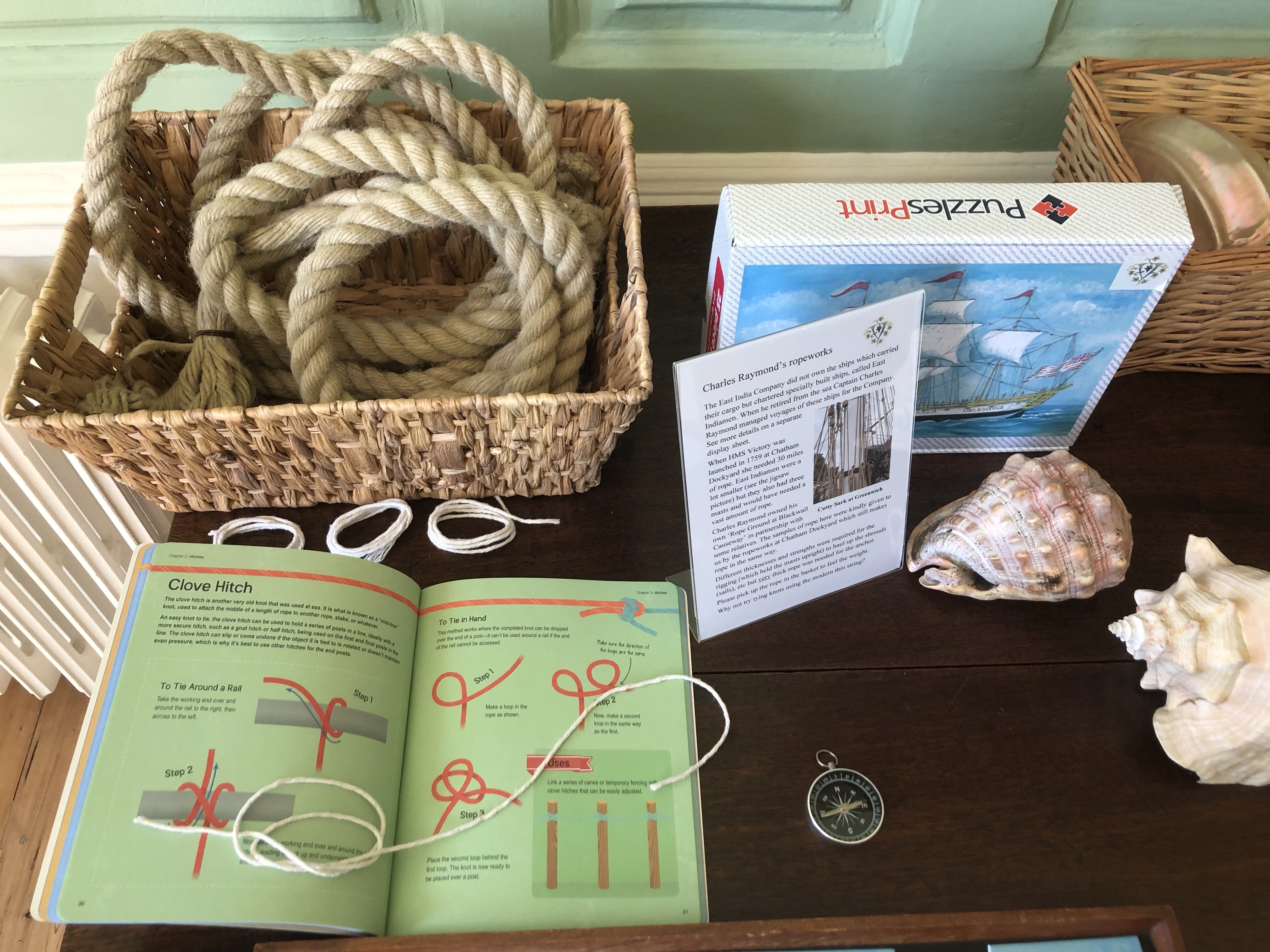
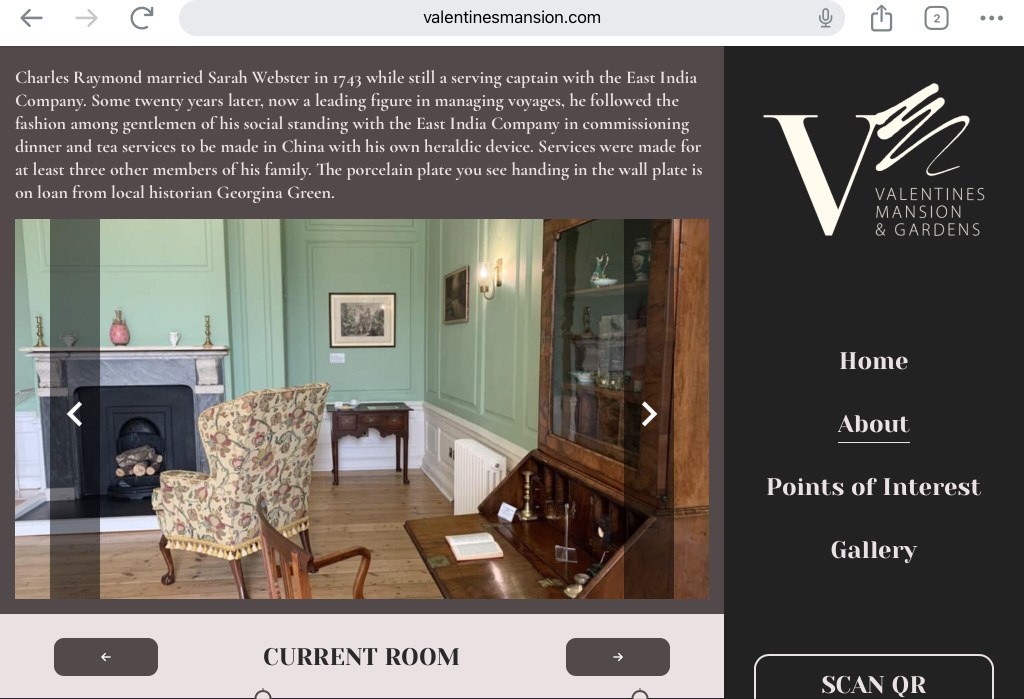
Charles Raymond was owner of Valentines in 18th century (1754 – 1788) and he brought back many items of interest from his travels to India and beyond that had never before been seen in England! We know that Sir Charles presented at least one item from his collection to his neighbour Smart Lethieullier who was a renowned antiquarian and the exchange of curiosities between collectors must have been common.





Where can the banksia pods be seen at Valentines?
The banksia pods can be seen amongst other items on the top shelf of the corner display cabinet in that room on the first floor. Do come and have a look!

Where do they grow?
So although Sir Charles himself did not venture as far as Australia, some of his contemporaries did. There are about 170 species and all but one occur naturally only in Australia.

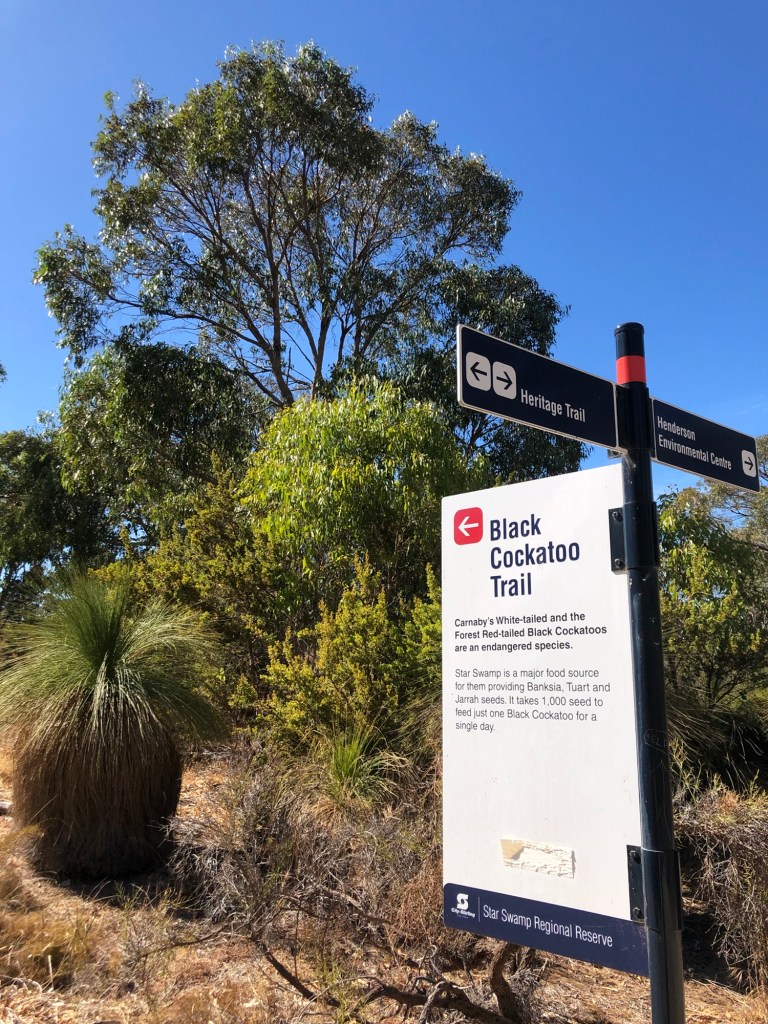
Star Swamp Heritage Trail
The Black Cockatoo Trail is one of many interesting features in Star Swamp bushland reserve. Amongst other uses, the banksia trees are a major food source for the white-tailed and red-tailed Black Cockatoos, an endangered species, with a single bird needing over 1000 seeds a day to survive.


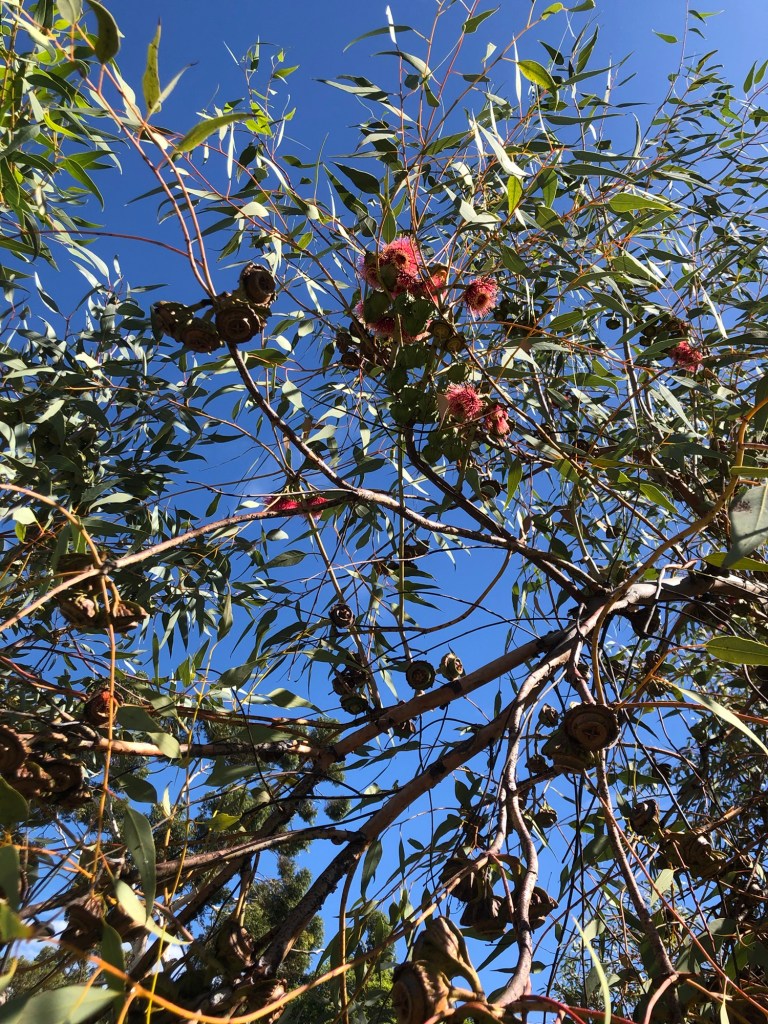

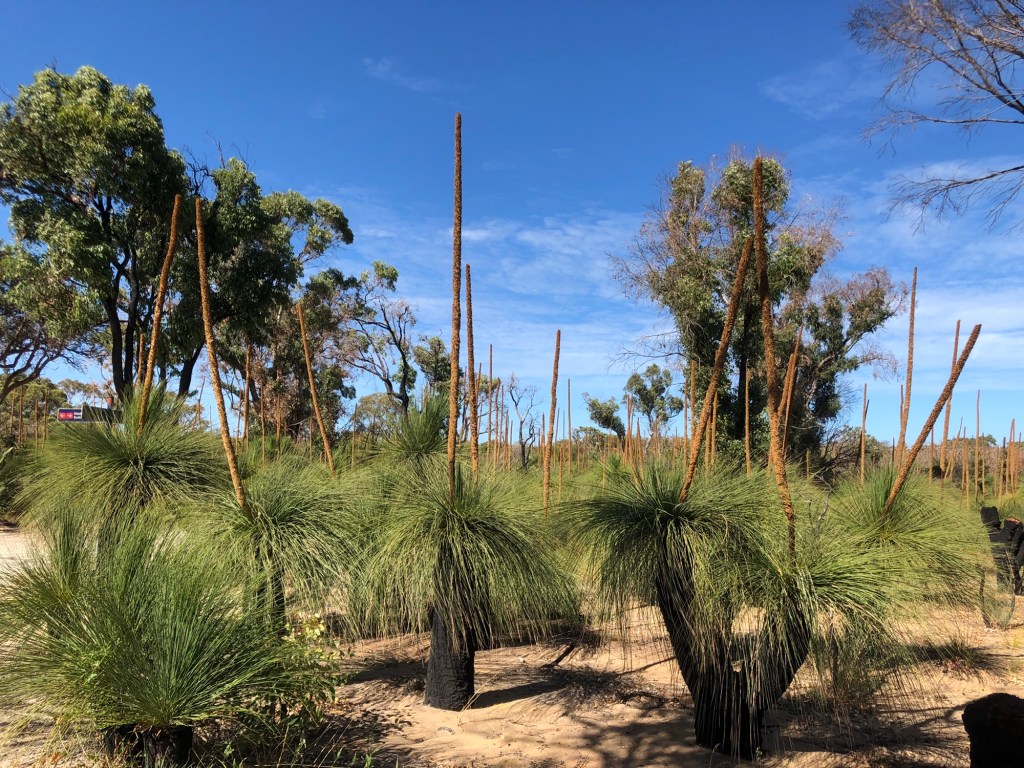
The wood and cones of the banksia are used for crafts and woodwork. Heavy producers of nectar, banksias are a vital part of the food chain in the Australian bush. They are an important food source for nectarivorous animals, including birds, bats, rats, possums, stingless bees and a host of invertebrates. Further, they are of economic importance to Australia’s nursery and cut flower industries.
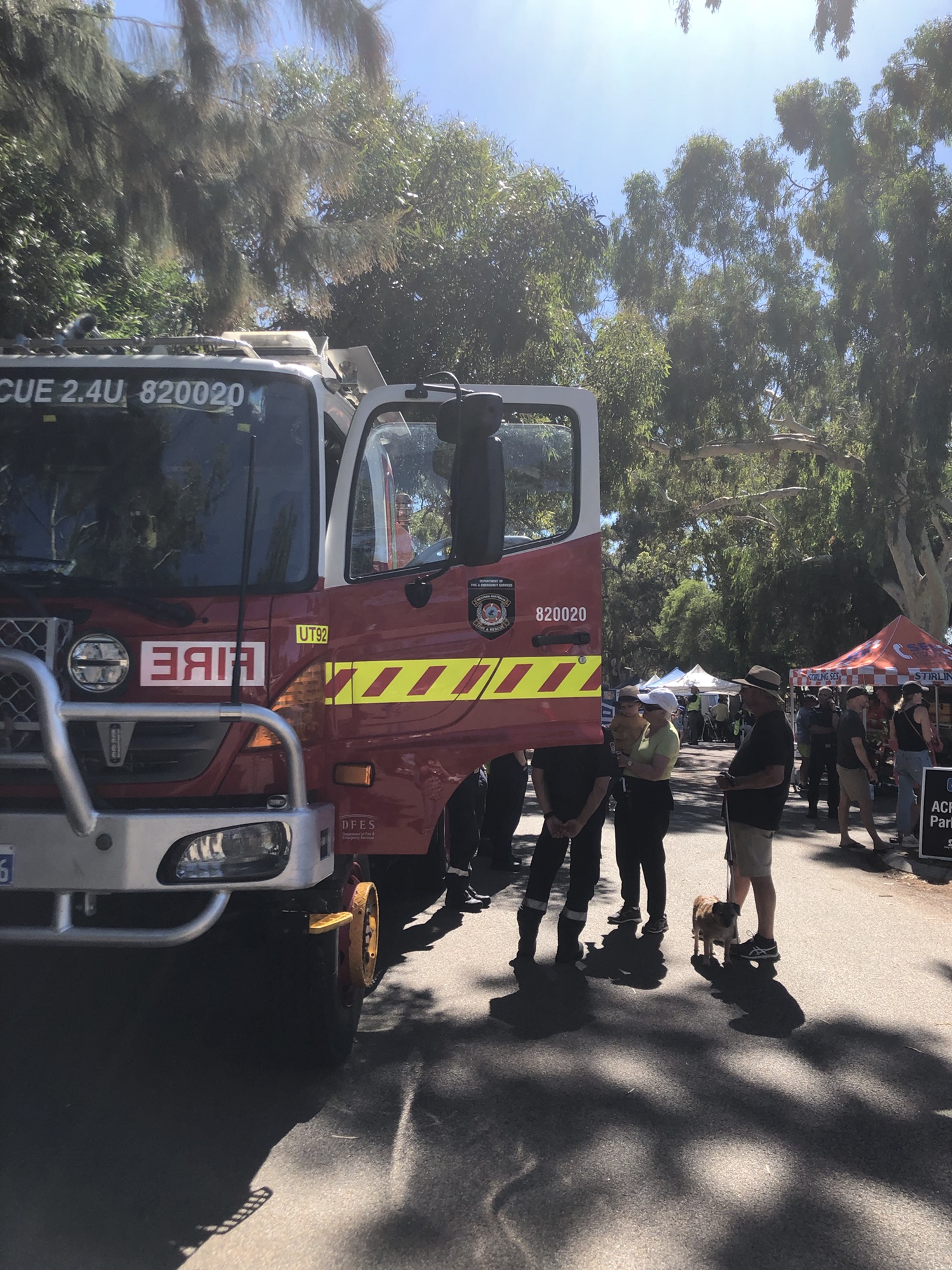
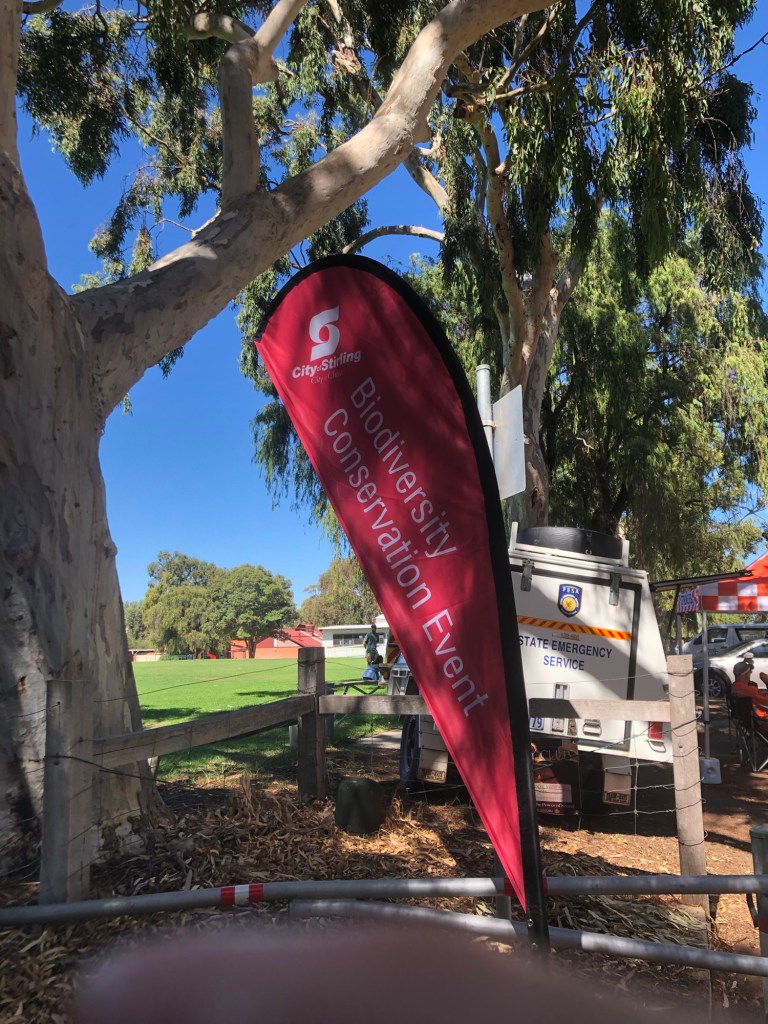
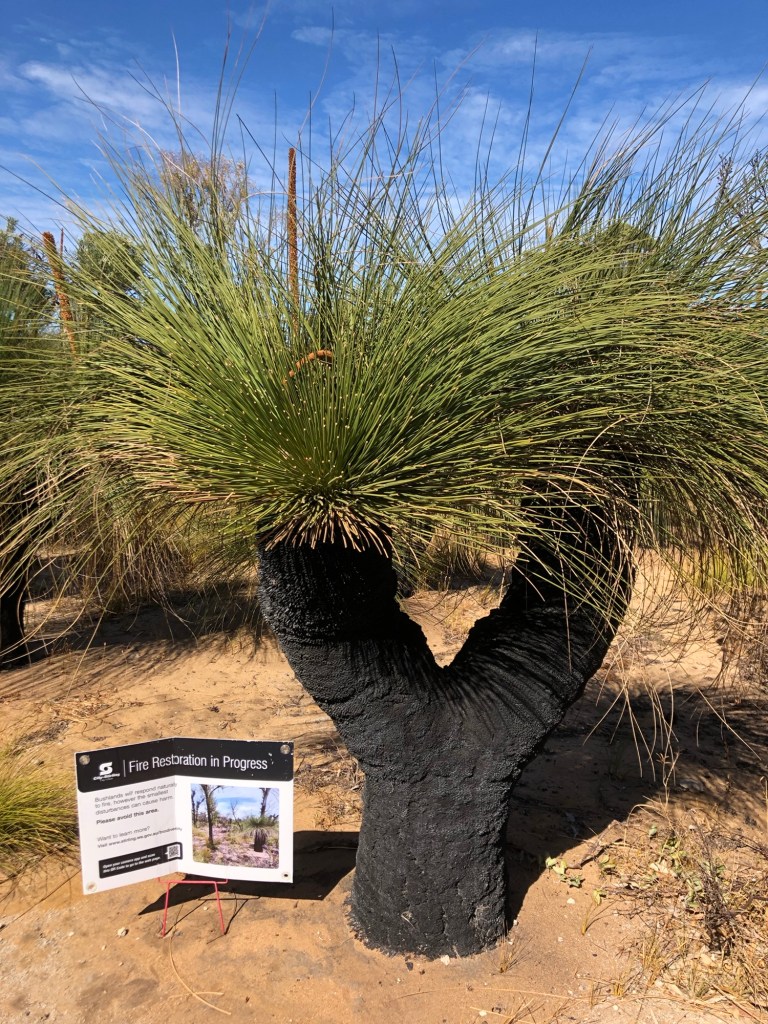
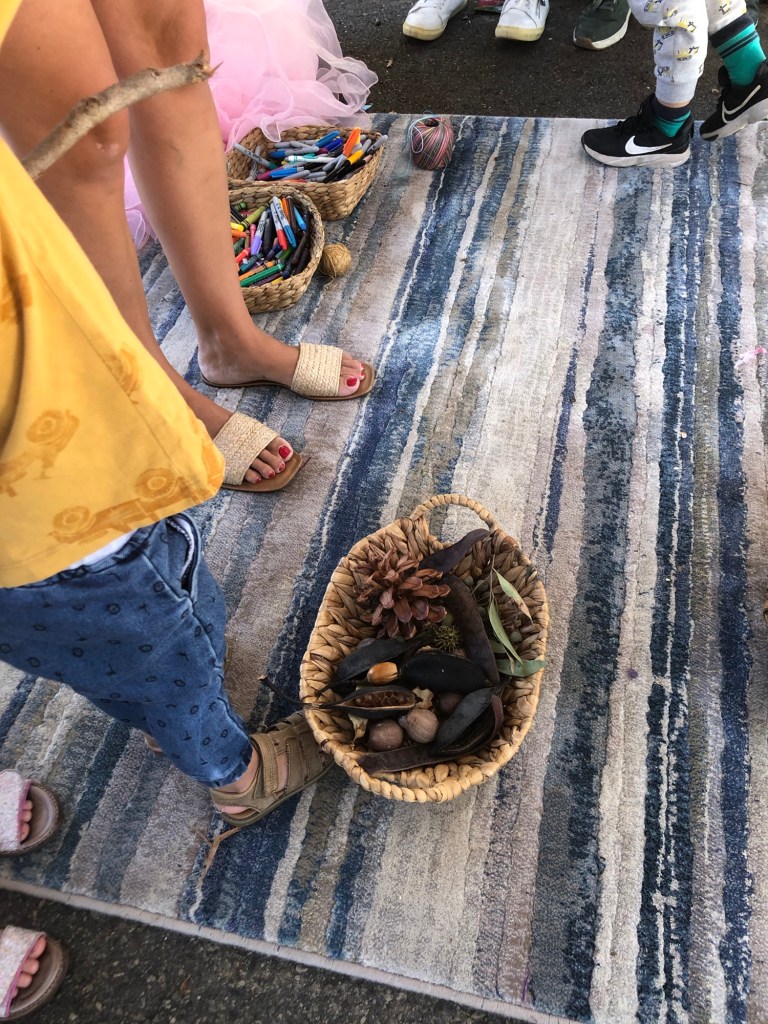
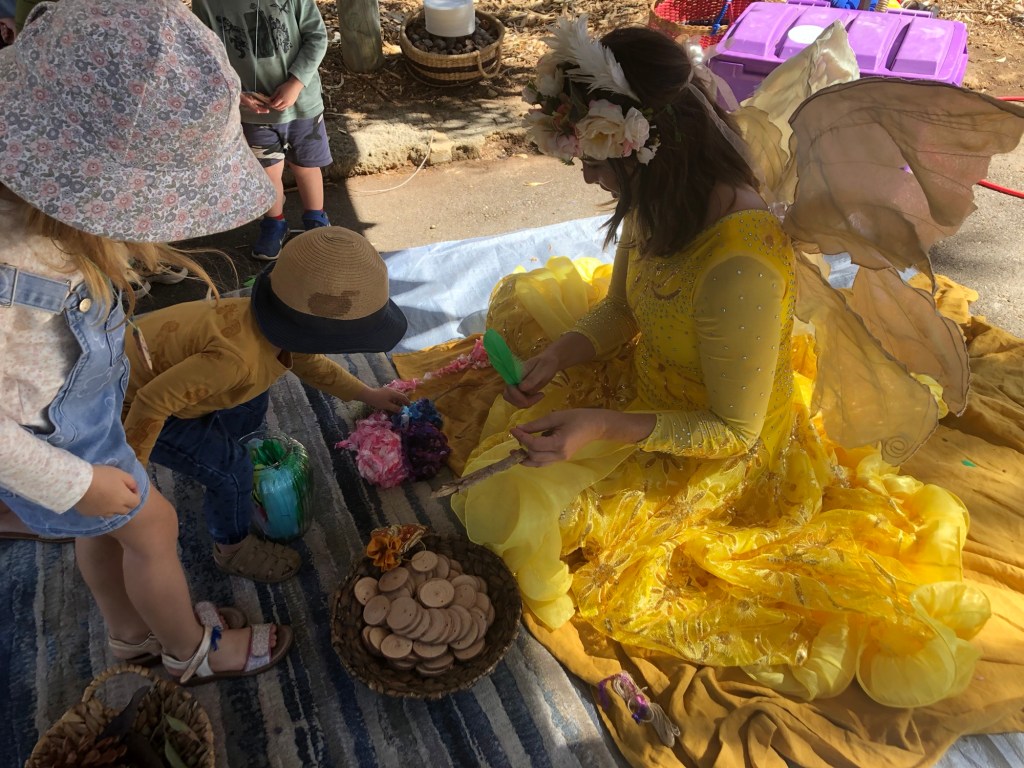
Biodiversity Event at Star Swamp



Sir Joseph Banks
The banksia tree was named after Sir Joseph Banks, who, in 1770, was the first European to collect specimens of these plants. Might Sir Joseph (1743-1820 ) have met our Sir Charles Raymond (1713-1788)? Sir Joseph is also credited with bringing the eucalyptus tree to this country, was President of the Royal Society for over 41 years, advised King George III on the Royal Botanic Gardens, Kew, and by sending botanists around the world to collect plants, he made Kew the world’s leading botanical garden.
Yet another example of how exploring at Valentines Mansion can lead you on fascinating journeys of discovery!
If you enjoyed this article, please follow the Friends’ blog by entering your email address. (Diana Smith)
 Friends Of Valentines Mansion