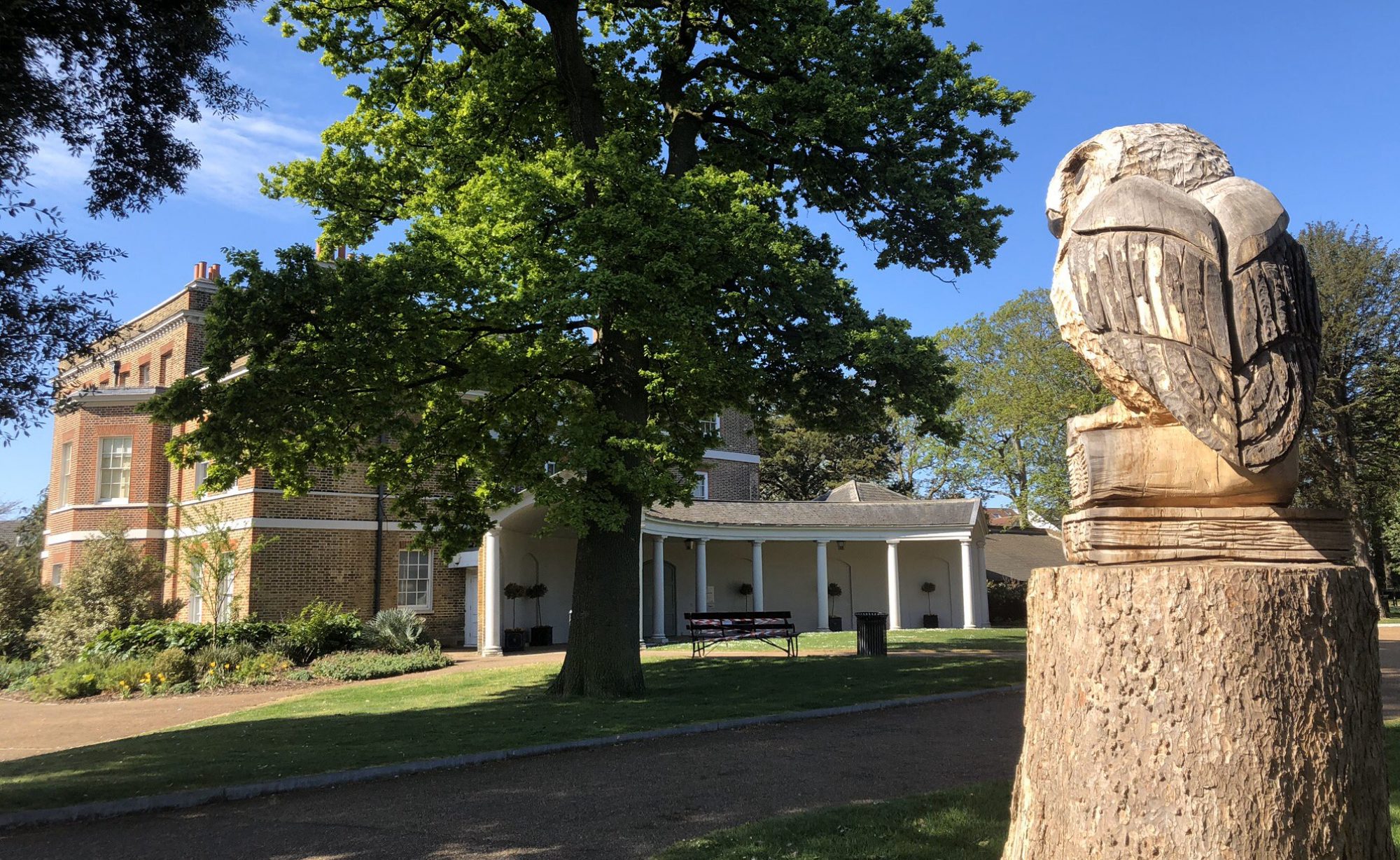

Today’s blog explores some more stories uncovered by our continued research into the lives of the people who lived at Valentines. No apologies for the continued focus on Sir Charles Raymond, as our Raymond Room project nears completion, but the first owner, Elizabeth Tillotson and her husband the Archbishop of Canterbury (1691-1694) will also feature.
What is a Sun Mark?
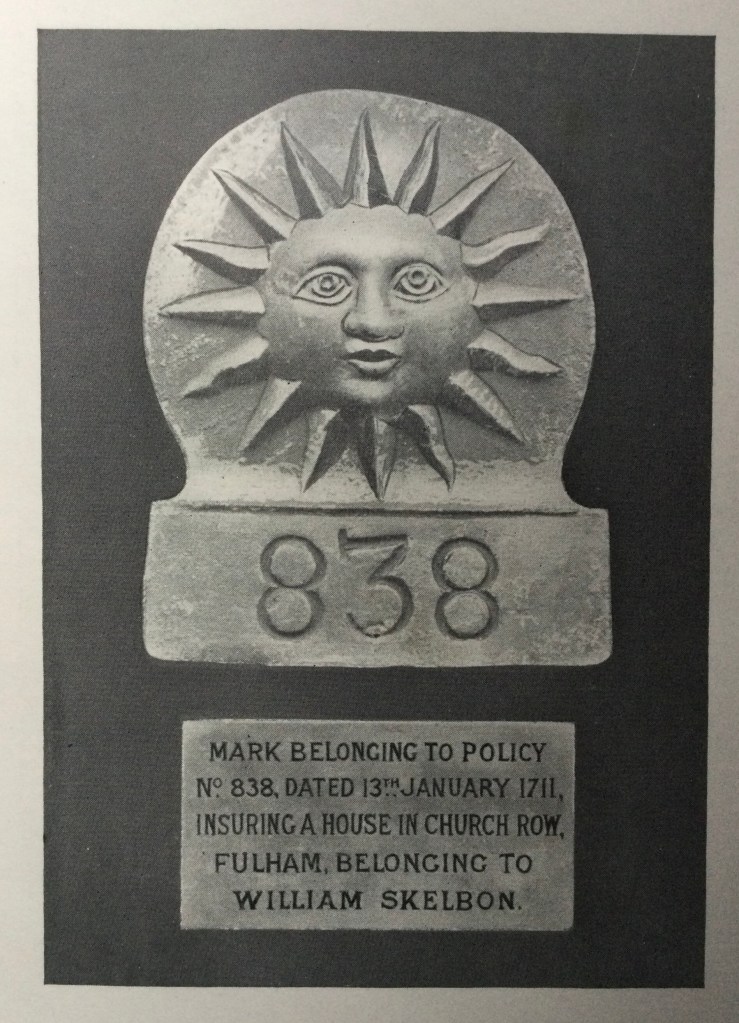
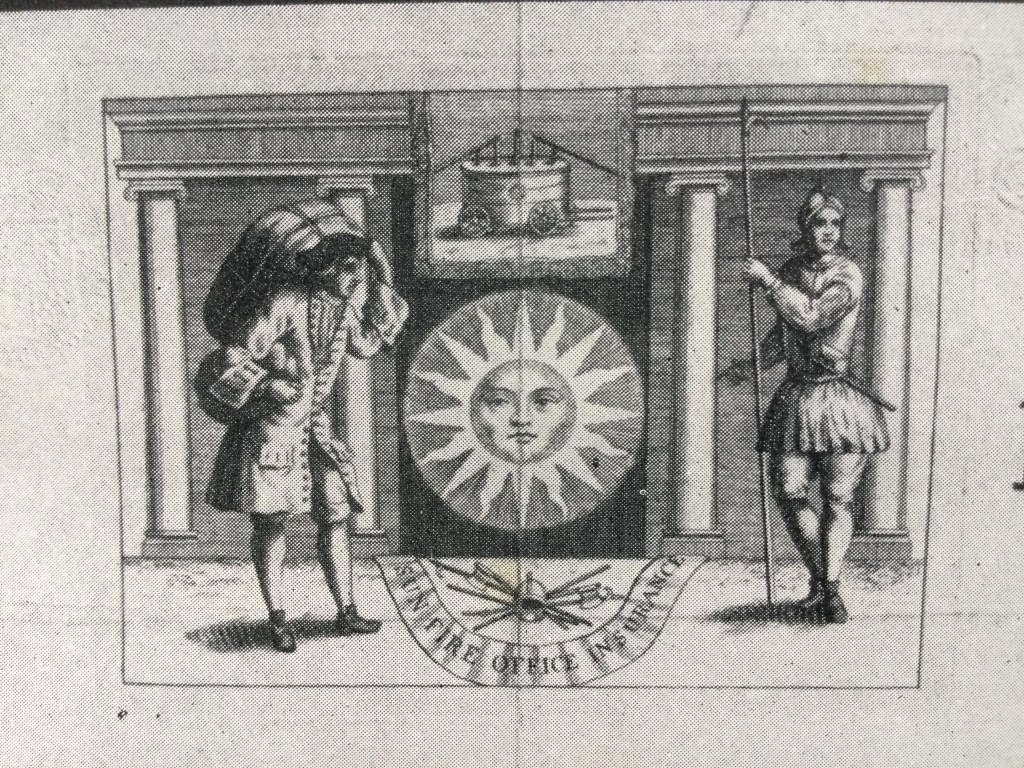
You will soon be able to see a replica Sun Mark displayed in the Raymond Room, as Charles Raymond, who entered the banking profession after he retired from his seafaring career, became a manager of the Sun Fire Office 1756-1773.
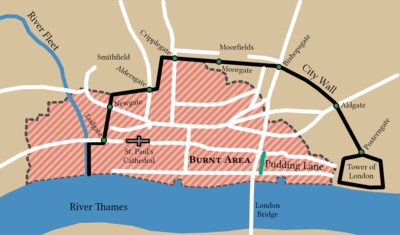
It is interesting to examine how protecting people from fire has developed since the days of the Great Fire of London in 1666. Sun marks were fixed to buildings belonging to people wealthy enough to insure against fire, so if fire broke out, houses with the Sun Mark would be doused with water. Not so good if your house had no Sun Mark and fire broke out!
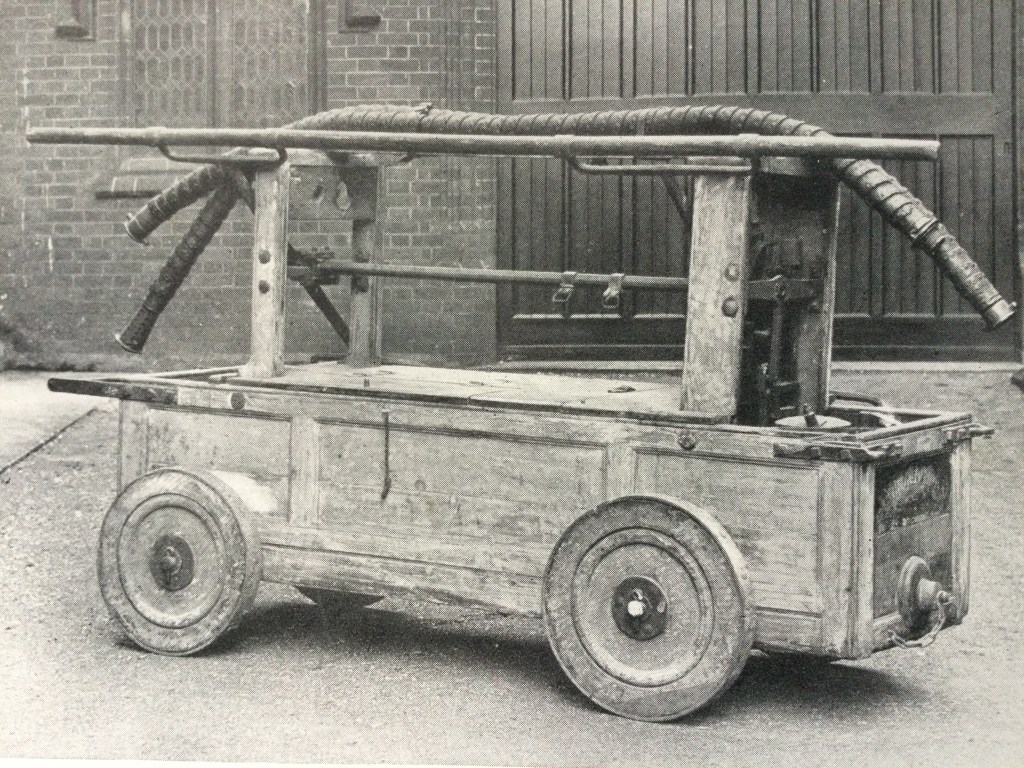
to the City of Norwich in 1753
Charles Raymond was born in 1713 and lived at Valentines 1754-1788, but Elizabeth Tillotson (nee French), whose mother was Oliver Cromwell’s sister, was born in 1635. Valentine House was built for her after her husband died in 1694 and she lived here from 1696-1702.
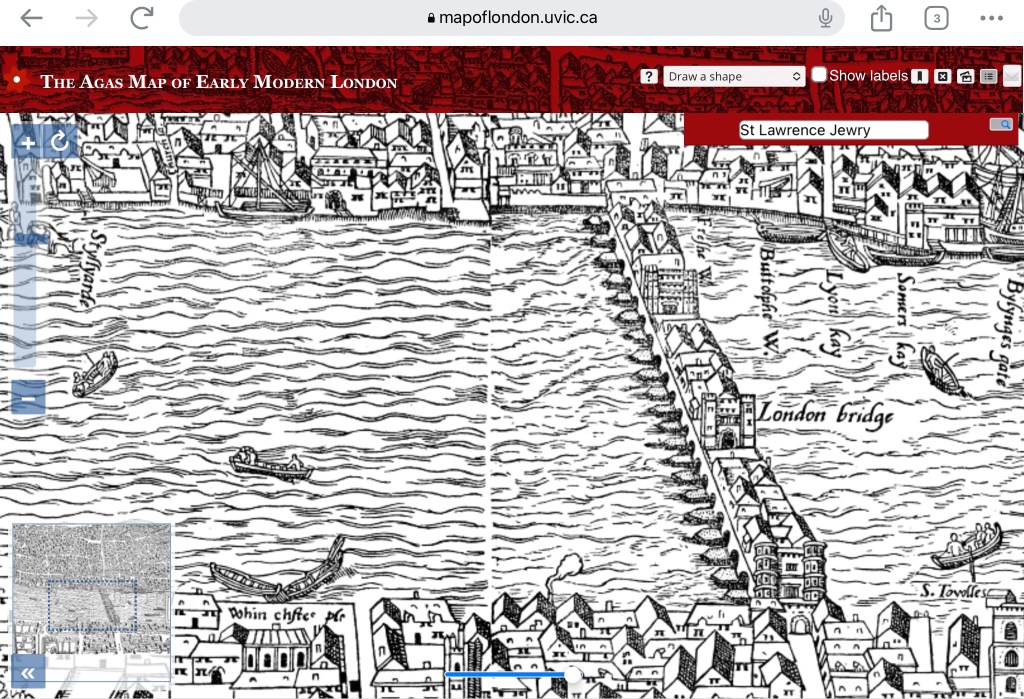
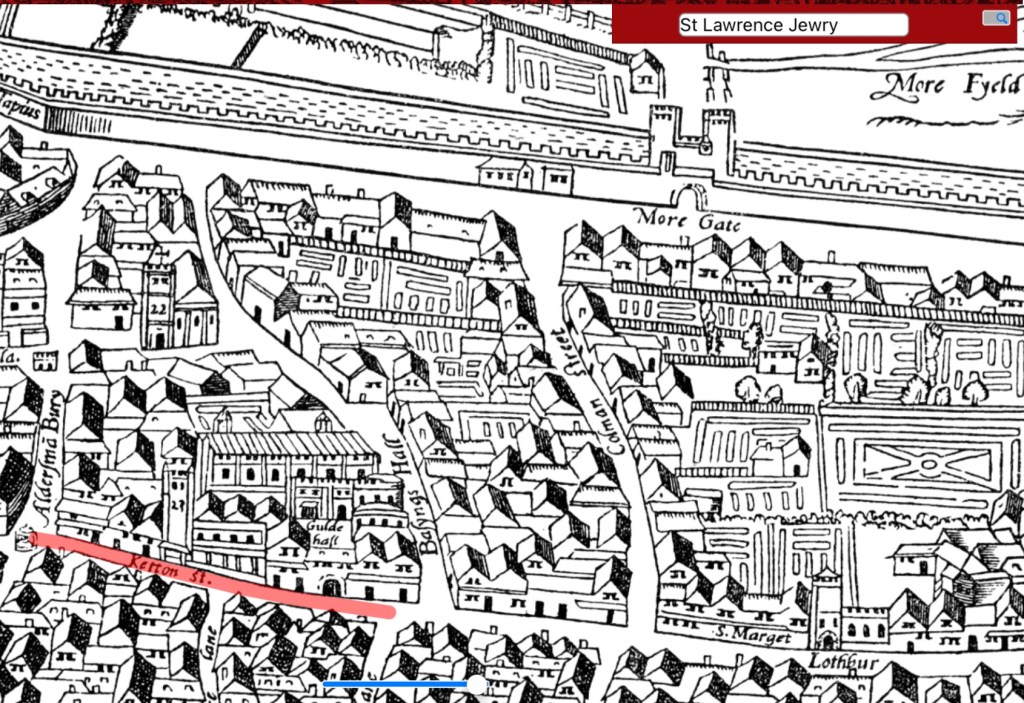
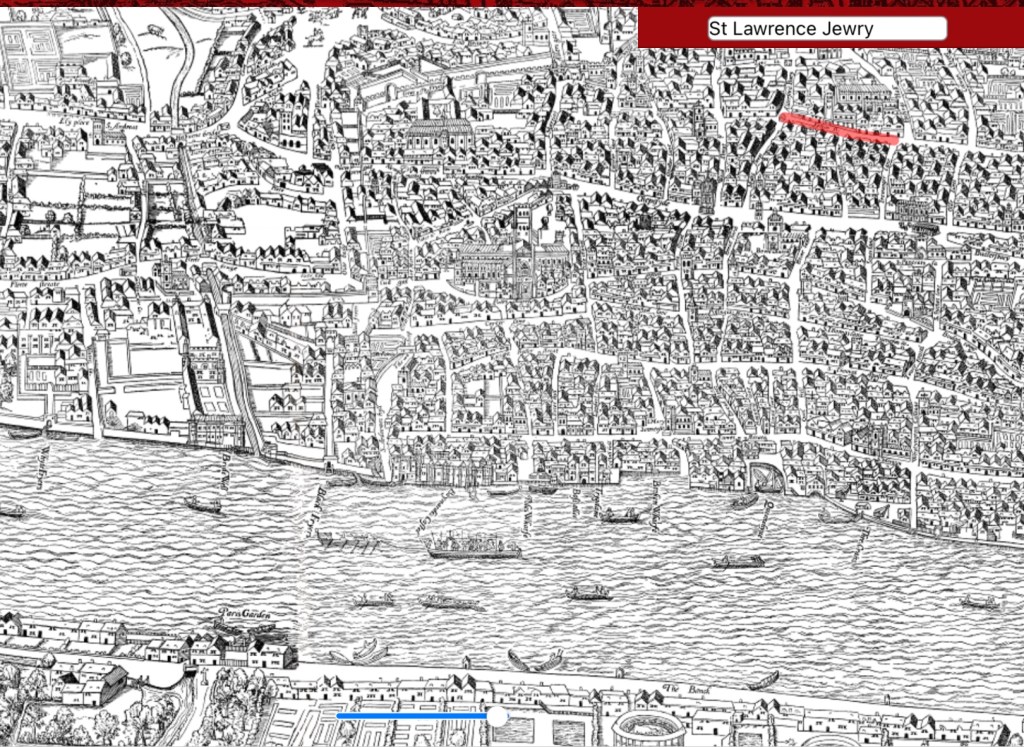
Through knowledge of a couple who had lived through the Great Fire of London in 1666, we can perhaps more easily empathise with the effect this devastating fire would have had on people. Archbishop John Tillotson was born in 1630 and the couple had married in the old St Lawrence Jewry church which burned to the ground in the Fire of London. The rebuilt St Lawrence Jewry church designed by Sir Christopher Wren contains a memorial to the Archbishop.
Fire Insurance

The Sun Fire Office was not started until 1710, but prior to this people got together in personal ventures of perhaps one or two individuals to collectively “insure” themselves against loss by fire in “Friendly Society” schemes. But these involved complicated calculations and it was not a quick and easy thing to collect the promised contributions after a fire had occurred!
“The members of the Friendly Society are to take notice, That on the Fifth of October last a Fire happened in Long Acre, and burnt down one House, which with several others Damnified, the whole Lots amount to 418£ 19s. 9d. And the Rate payable for 100£ insured on Brickhouses, is 8d. 3f. and 1 fourth of a Farthing and Double for Timber; which is to be paid before the 24th of December instant at the Place of Insurance in Paulsgrave Court without Temple Bar, under the Penalty of forfeiting a fourth part of the Contribution respectively.”
Much information in this article is derived from a publication written in 1910 by Edward Baumer, (late Manager and Secretary of the Sun Fire Office) to celebrate its 200th anniversary.
An advertisement for thirty “lusty” able-bodied firemen in 1710!



Teething Problems
So in 1710, 24 original members of the Sun Fire Office had got together, money in advance which was “put into the chest“ to “remain entire as a Stock for the relief of the first Sufferers.” When the chest was filled up with money, dividends were paid out to members. There were arguments about who held the key and the members had to get a blacksmith to break the chest open and pay out the first claim!
In 1711, a Mr George Osmand proposed a National Insurance scheme to “answer all Casualties and Damage by fire” but this was not agreed in Parliament and private insurance companies could continue their business.

The design of the chest became more and more secure.
In 1712 it was stipulated “that a strong and substantial Iron Chest with a slanting Till in the middle of it shall be bought, having five different locks and keys with different wards, which shall be fixed to the floor with Screws from the inside of it, in the Office of the Company, to be absolutely immovable. Keys to be delivered to different Trustees.” Later it was required that the chest also be screwed to a beam as well as the floor!

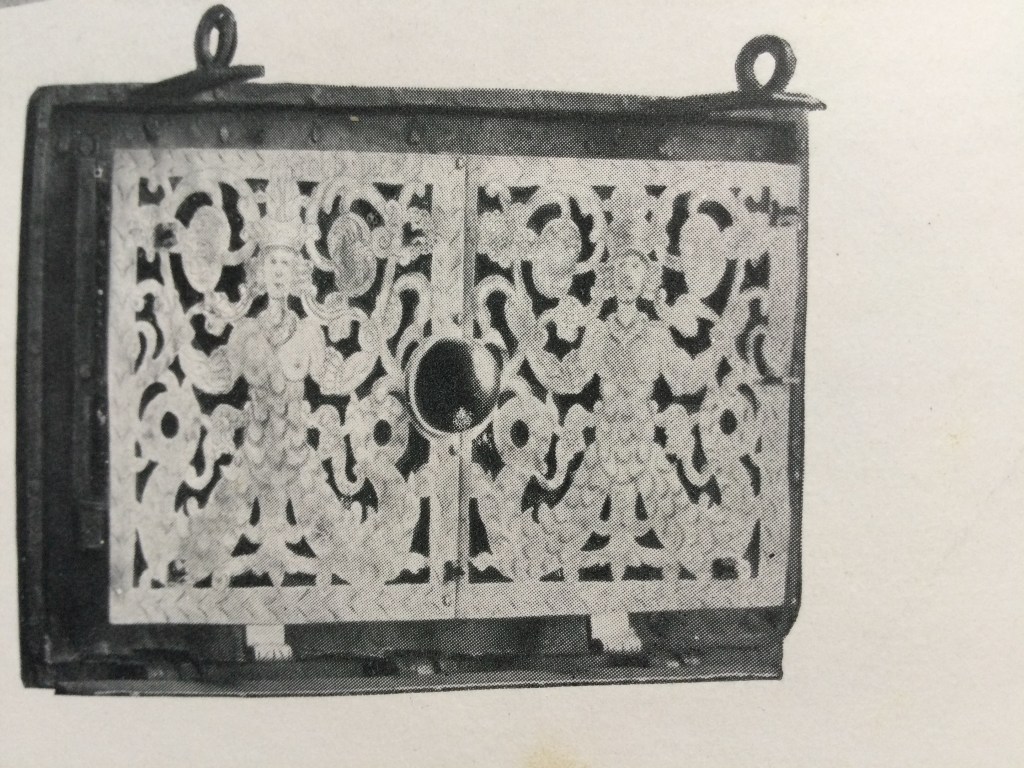
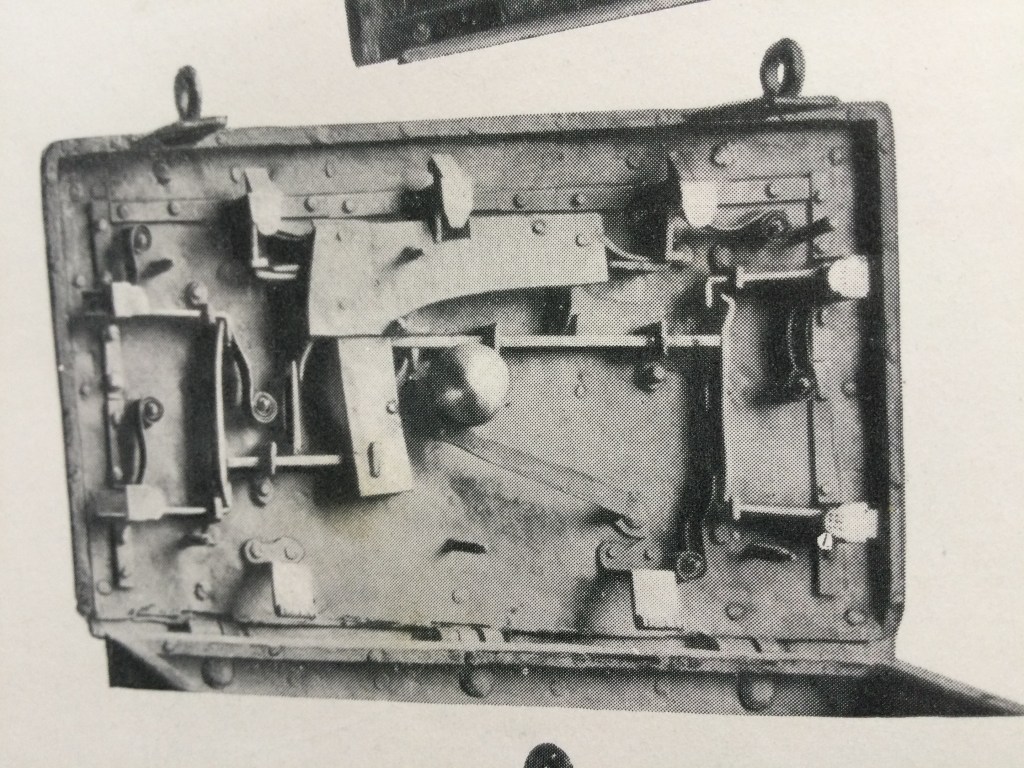
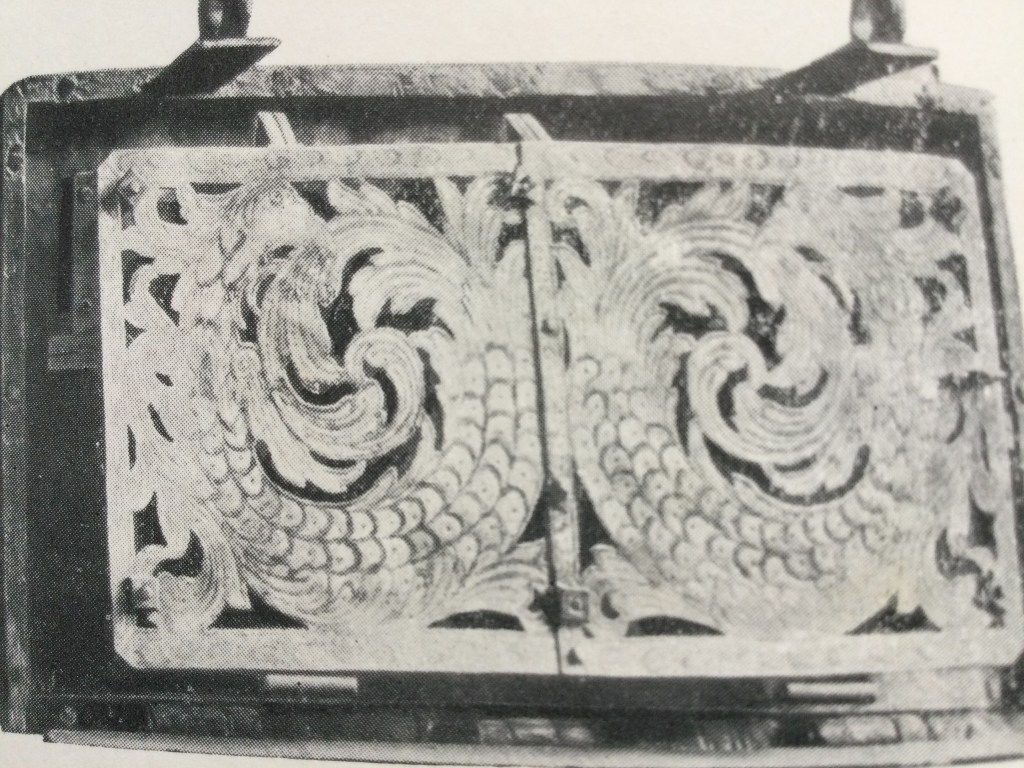
By 1719 there was competition from other companies and by 1720 the members divided their 24 into 100 shares and new shareholders were appointed and charters to insure ships and merchandise at sea began.
By 1728 there were 2,400 new shares and dividends of £50,000!
The first county agent had been appointed in Nottingham in 1721. By 1740 there were 51 agents and, in 1786, 123 ranging throughout England and Scotland. By the 1790s Sun Fire was dominant among the fire offices with premium income of over £100,000.
An honest customer! What is money anyway?!
In 1726, the Sun Fire Office “received a letter from an Unknown Hand with a Bank Note of Twenty Seven Pounds, twelve Shillings.” What a strange amount for a bank note! As the Bank of England explain on their current website, “carrying precious metals around is a considerable physical burden and over time, people started to use the receipts instead, which became a form of money themselves – and forerunners of the banknotes used today.” It turns out the writer of that note had received settlement for his claim and felt he had been over-compensated, so returned the precise sum of £27 12/-.
Perks of the job!
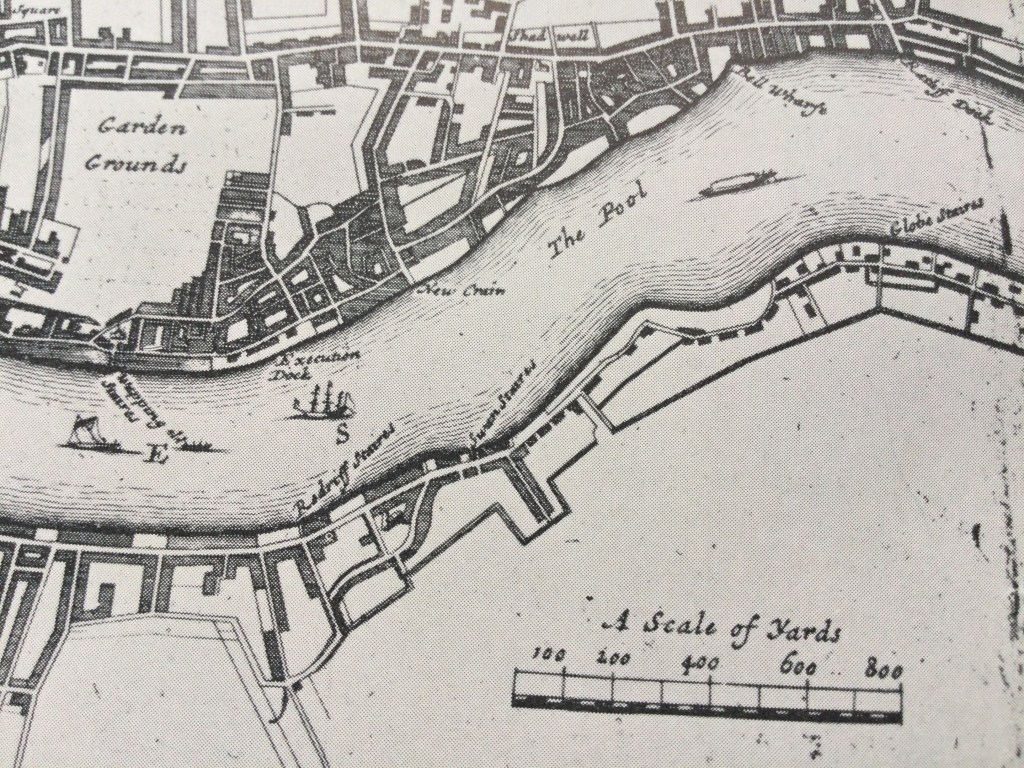
The first firemen were often watermen on the River Thames and could escape the Press Gang by receiving the protection of the Sun Fire Office.
The early committee were mostly described as “men engaged in affairs of their own but their calm and placid temperaments stand out.” Twice a year they gathered together for a dinner but on one occasion the Treasurer took £5 out of the chest for a dinner, after which a resolution was passed at their next meeting that the cost of the dinner should not exceed £3!
As well as the twice yearly dinner for the shareholders, the watermen were allowed 6d for a drink, clerks could receive gratuities to dine and drink and twice a year, firemen were allocated 30 shillings for dinner and 10 shillings for musick!
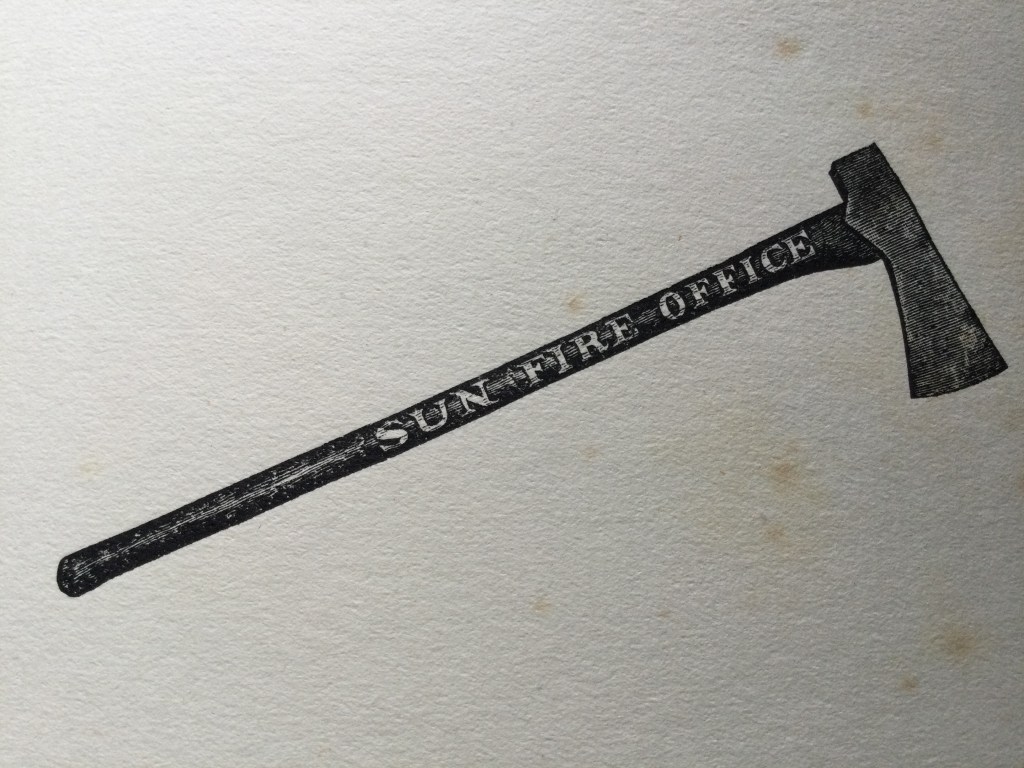
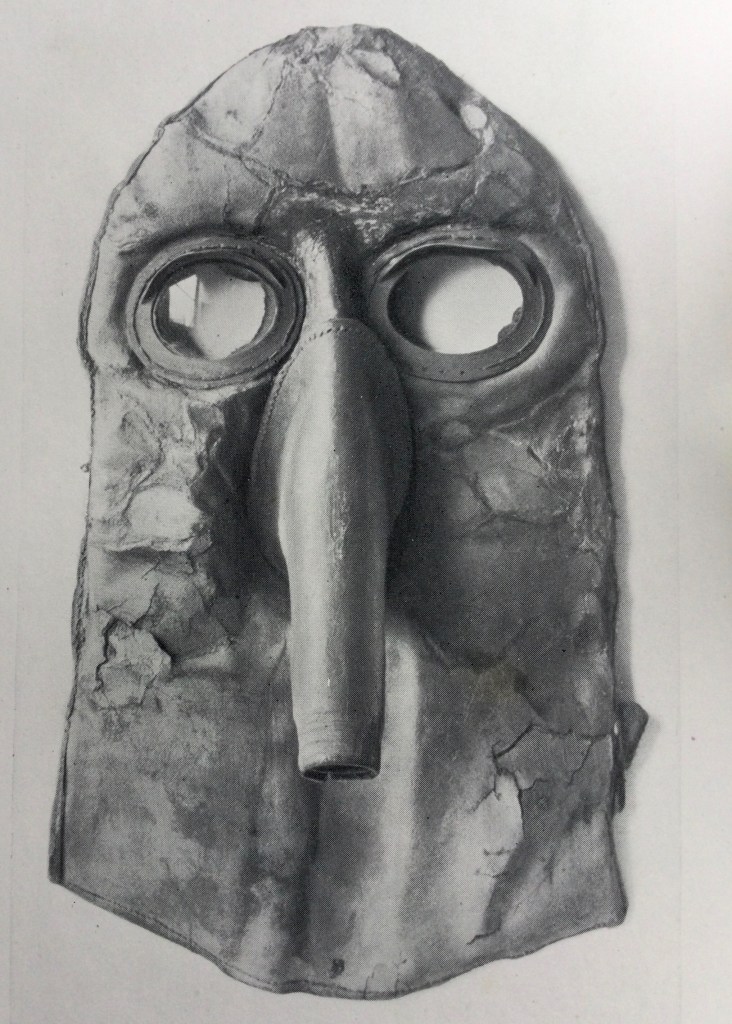
Premises
During the first fifty or sixty years, the Company had trouble in finding suitable premises. Many roads had no names at the time. Addresses such as “at the back of the Royal Exchange” or “next door to the Amsterdam Coffee House” were not considered sufficient for identification. In March 1710 a room in Paul’s Coffee House was rented for £15 per annum and a sign erected outside. 16 shillings was “paid to ye Carver for making ye Sun.”
In 1711 they moved to premises belonging to Mrs Garraway “near the Royal Exchange”; then between 1721 and 1725 a house in “Stocks Market” was rented: a meat and fish market in Walbrook where the parochial stocks had stood.


By 1766 the Sun Fire Office had become tenants under the Bank of England in a new street, Bank Street. On the destruction of the Royal Exchange by fire, in 1838, these buildings were to be pulled down so the Sun Fire Office then bought St Bartholomew’s Church and several houses in Threadneedle Street also scheduled for demolition. The church was carefully taken down block by block and re erected at St Bartholomew’s Moorfields. This then became the Sun Fire Office for many years.
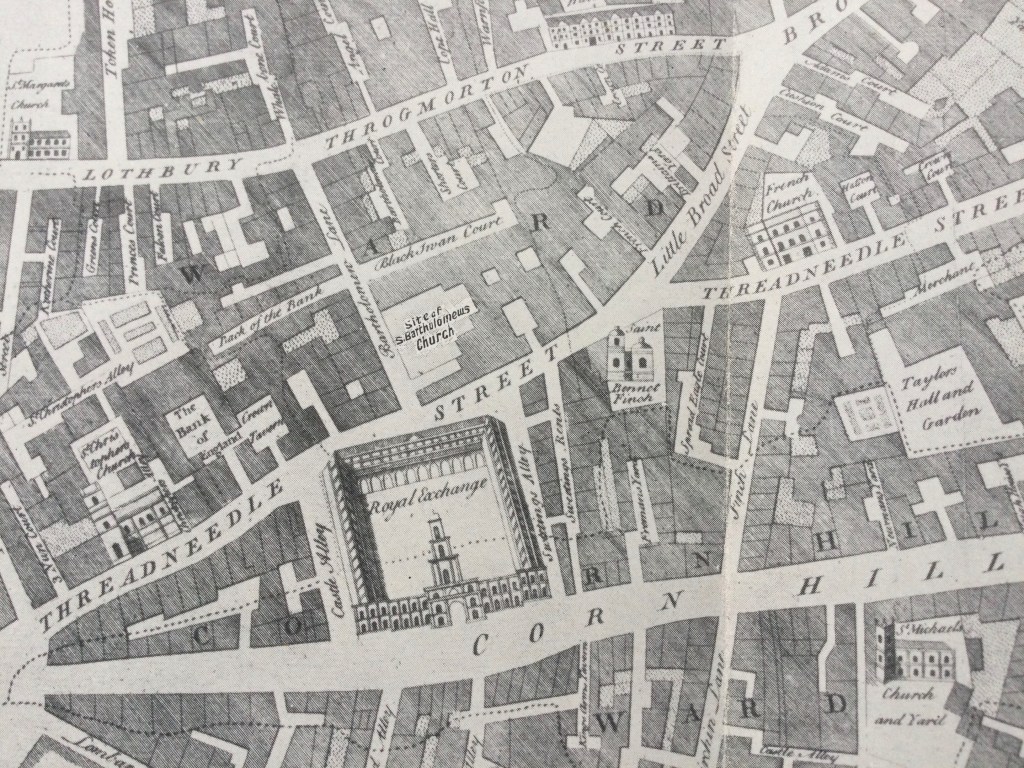
This was the London known to Charles Raymond, where he both lived and worked.
Of course Sir Charles would need to call upon his insurance when his East Indiaman ship, Valentine, was wrecked off the coast of Gurnesey in 1779. But that’s another story…
 Friends Of Valentines Mansion